The Overhead Athlete’s Shoulder, From CrossFit to Volleyball Injuries
Author: Bennette Paul D. Campano, PTRP, CPT-CES
If you train overhead, CrossFit, volleyball, baseball, swimming, Olympic lifting, even just a lot of pull-ups and presses, your shoulder is living on a knife edge.
Most people think shoulder injuries happen because of one bad rep. The truth is more unsettling, overhead athletes usually get hurt because of slow overload. Your shoulder can tolerate a lot, until it can’t. And when it finally breaks down, it doesn’t just ruin training, it can affect sleep, work, and basic daily tasks like reaching into a cupboard.
Why Overhead Sports and Training Beat Up the Shoulder
The shoulder is built for movement, not endless stress.
Overhead work demands:
Strong rotator cuff endurance to keep the joint centered
Scapular control so the shoulder blade rotates and anchors correctly
Thoracic mobility so your upper back contributes to overhead range
Load management so tissues can recover between sessions
When one piece is missing, your body finds a workaround. That workaround might still let you hit reps, serve, spike, or snatch, but it often increases irritation at the front or top of the shoulder.
The Early Warning Signs People Ignore
Overhead athletes often brush off:
A pinch at the top of the shoulder during pressing
Clicking or popping that wasn’t there before
A deep ache after training that lingers into the next day
Loss of overhead range, especially when fatigued
Neck and trap tension that keeps creeping up
Ignoring these signs is how irritation becomes a real injury.
The Solution, Build Capacity, Don’t Just Avoid Pain
The goal is not to stop overhead work forever. The goal is to earn it.
That usually means:
Temporarily adjusting volume and intensity to calm irritation
Rebuilding scapular mechanics and serratus control
Strengthening the rotator cuff with progressive loading
Restoring thoracic mobility so the shoulder doesn’t steal motion
Returning to overhead work with a clear progression
How Physiotherapy Can Help at Cristini Athletics Therapy
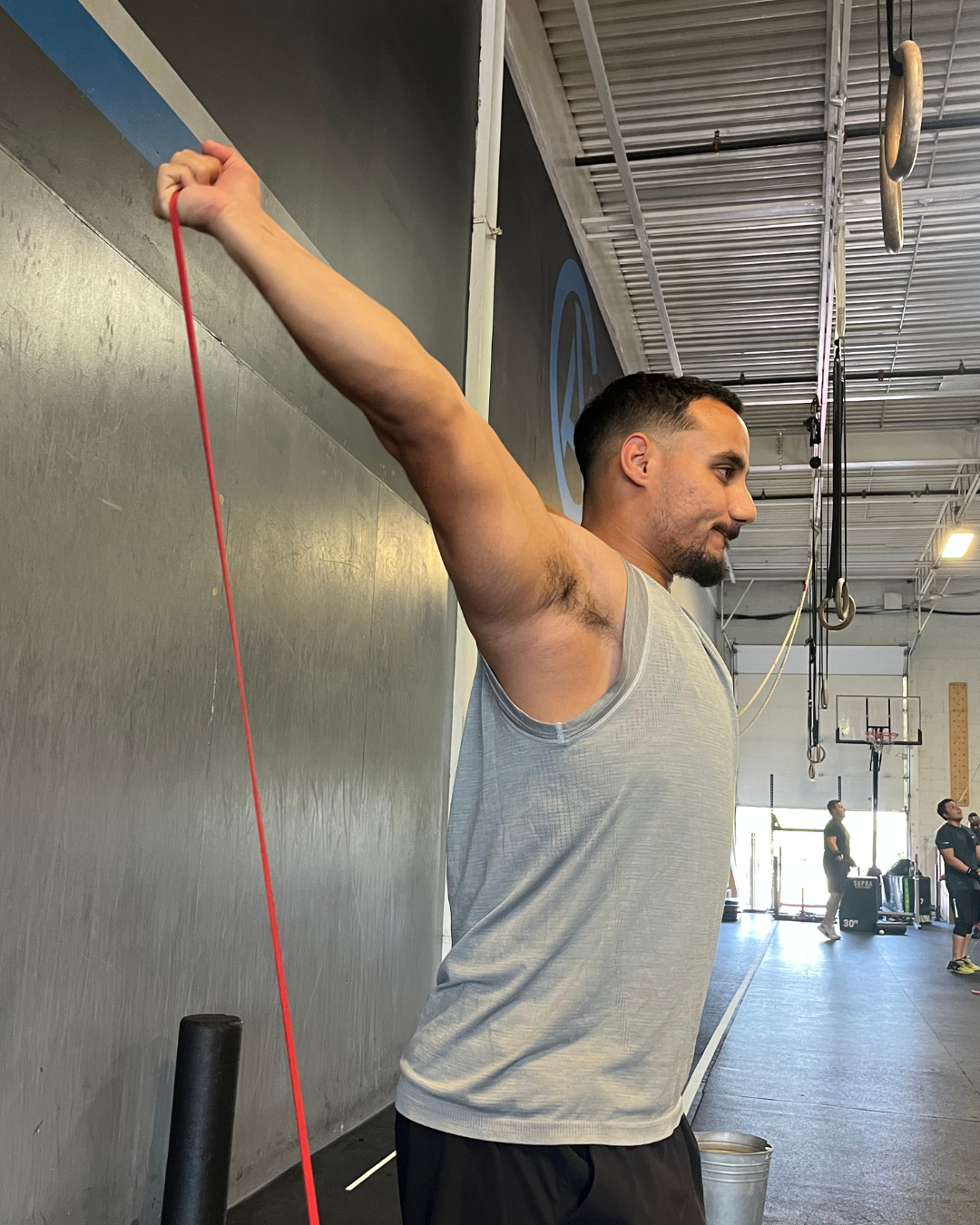
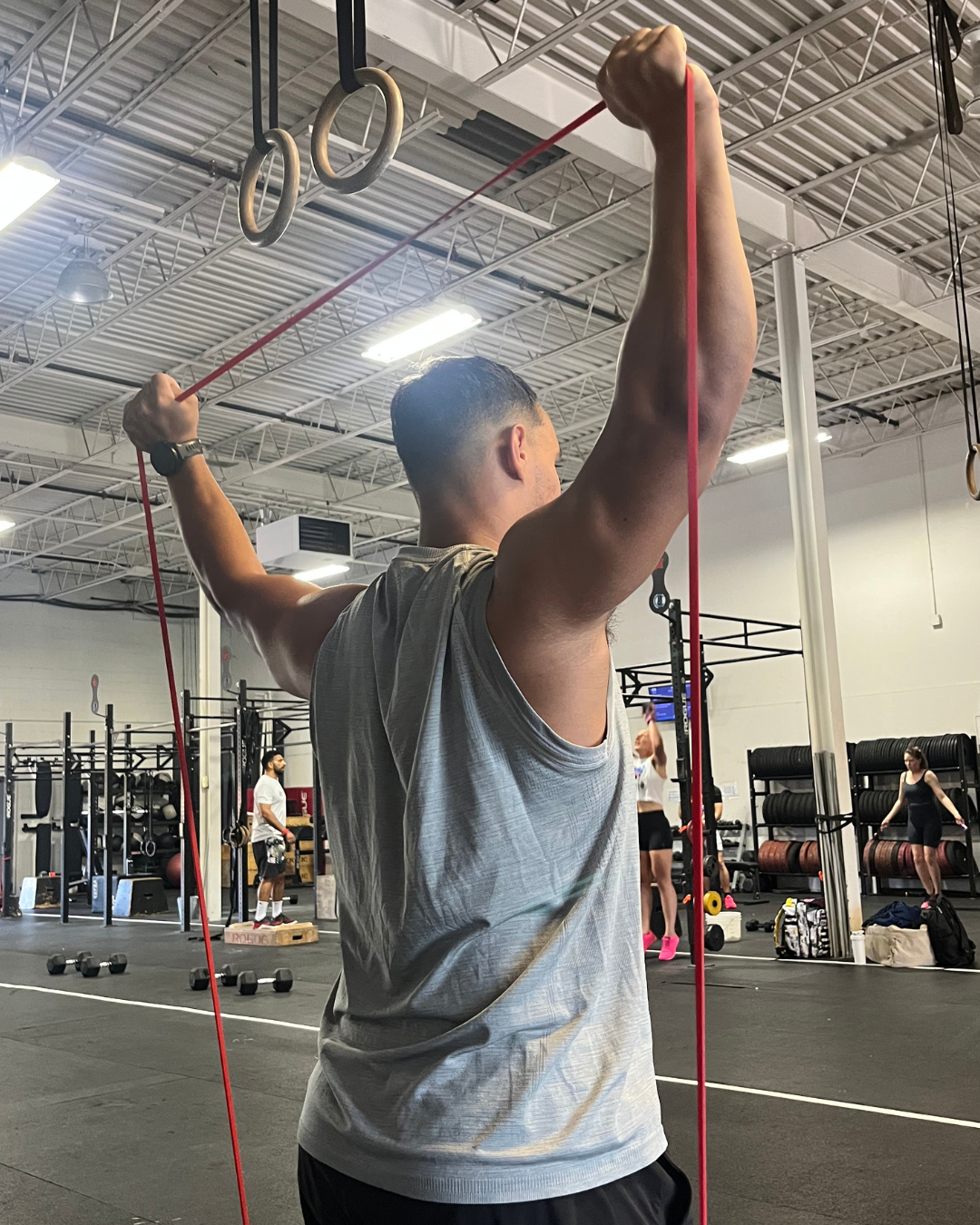
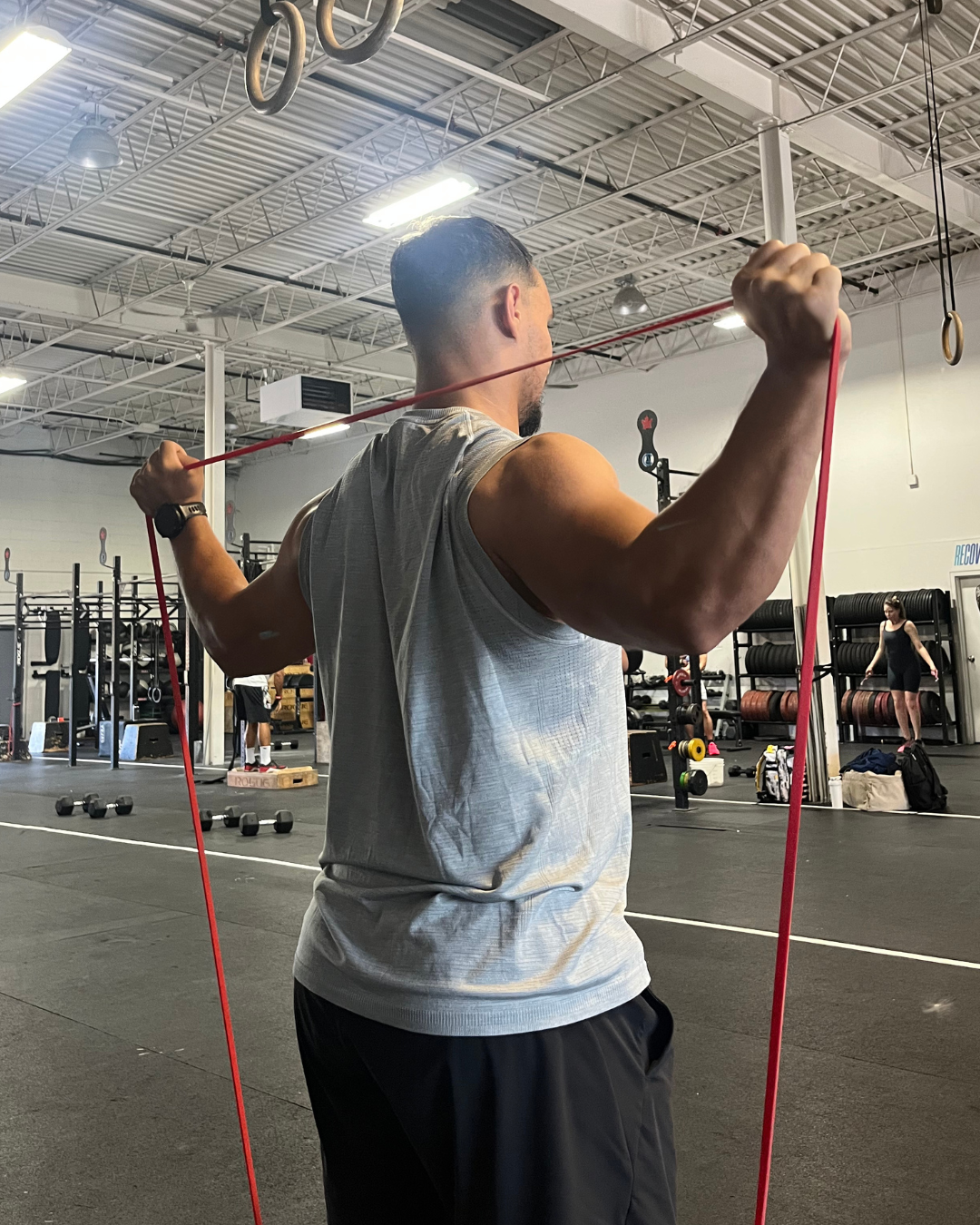
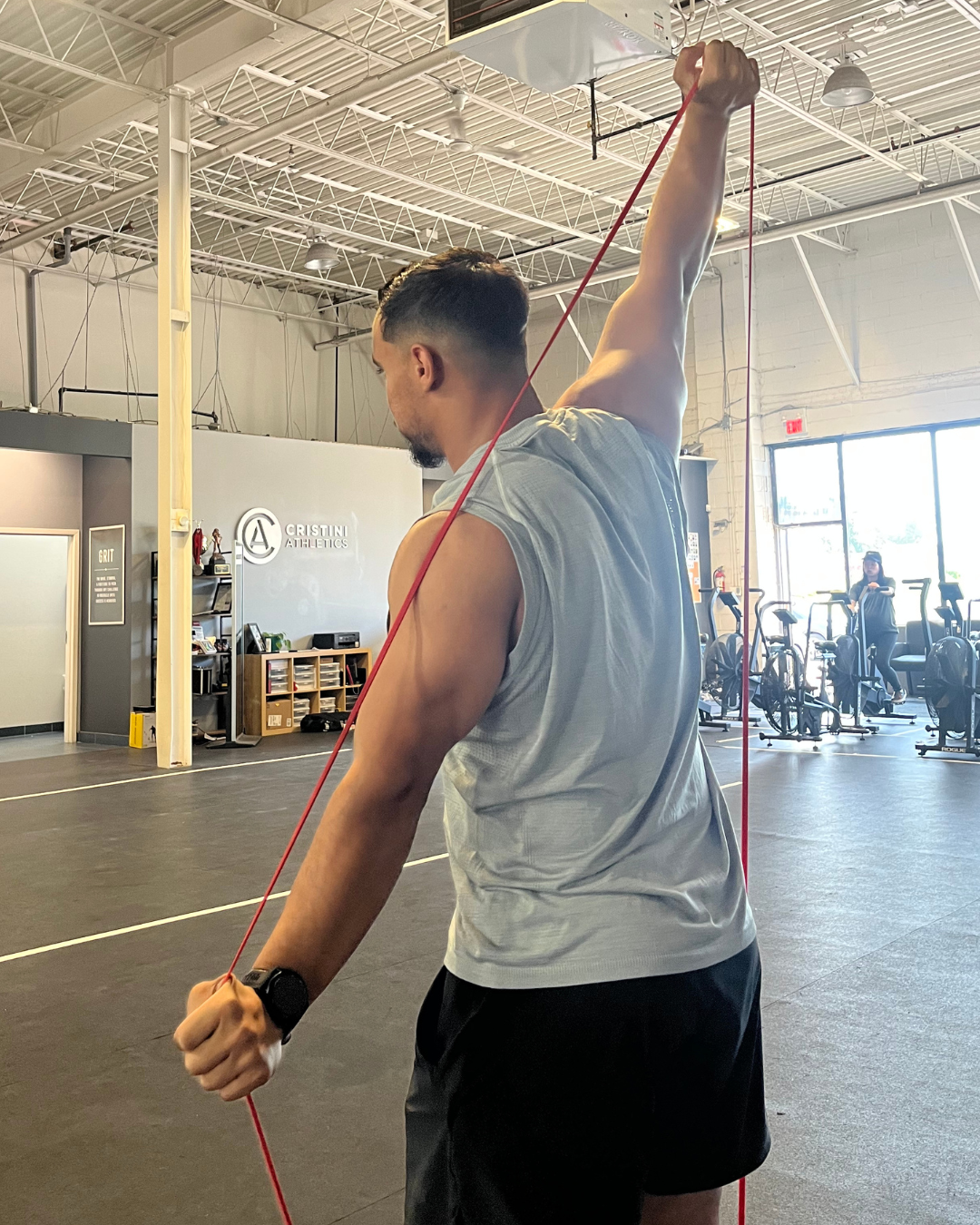
At Cristini Athletics Therapy, we assess why your shoulder is breaking down, not just where it hurts.
We look at your overhead mechanics, scapular control, thoracic mobility, and training schedule. Then we build a plan that bridges rehab to performance, so you can return to overhead training or sport with confidence.
Article takeaways
Overhead athletes often get shoulder pain from slow overload, not one bad rep, and the earliest signs are usually pinching, clicking, lingering ache, and loss of overhead range. Lasting improvement comes from managing load, restoring scapular mechanics and thoracic mobility, and rebuilding rotator cuff capacity with progressive strength work instead of just resting and hoping. If you want a plan that helps you keep training overhead without constantly flaring up, you can book in Woodbridge:
Benno is a physiotherapist registered in the Philippines (PTRP) and is now working in Canada as a trainer and Corrective Exercise Specialist (ISSA). He specializes in bridging rehab to performance, helping people go from post-op or persistent pain back to confident training, work, and sport. He’s passionate about helping clients move better, recover smarter, and reach their goals with a plan that’s practical, progressive, and individualized.