Why You Need Heavy Loading In Rehab
Author: Bennette Paul D. Campano, PTRP, CPT-CES
The Fear
“What if heavy makes it worse?”
That fear is understandable, especially if you’ve had setbacks. But avoiding load for too long is one of the fastest ways to stay fragile.
Your body adapts to what you repeatedly ask it to do. If rehab never asks you to handle meaningful load, you don’t rebuild the capacity you need for sport.
The Truth About Load
Heavy loading in rehab is not reckless maxing out. It’s progressive resistance that matches your stage.
Early on, “heavy” might mean slow tempo work with moderate weights. Later, it might mean higher loads with fewer reps. The goal is to rebuild tissue tolerance and strength.
Common staples:
Split squats and step-ups to rebuild single-leg strength.
RDL patterns to restore posterior chain capacity.
Loaded heel raises to rebuild calf/Achilles strength.
This is also where confidence often returns: when your body proves it can tolerate real work.
What Coaches And Rehab Educators Emphasize
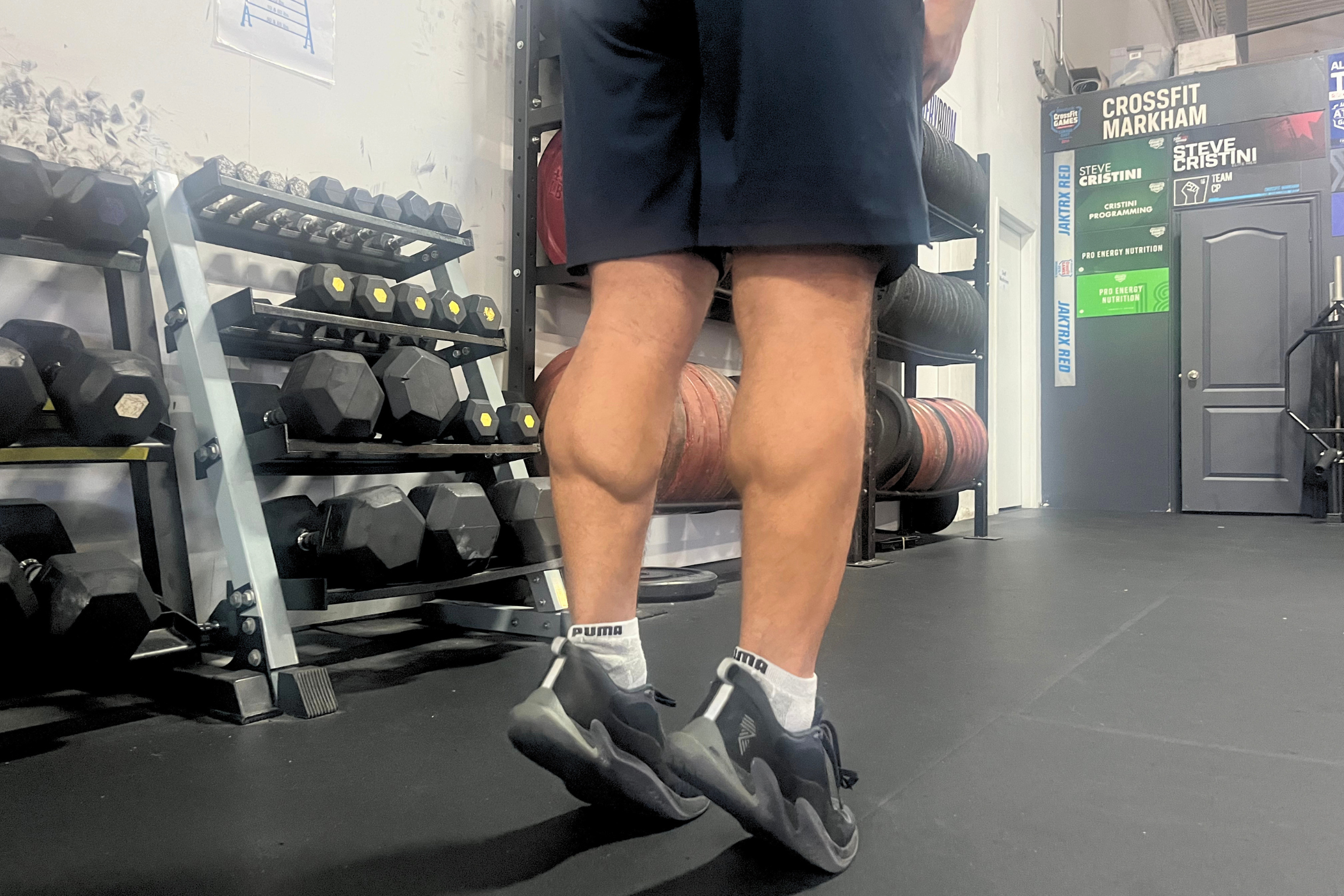
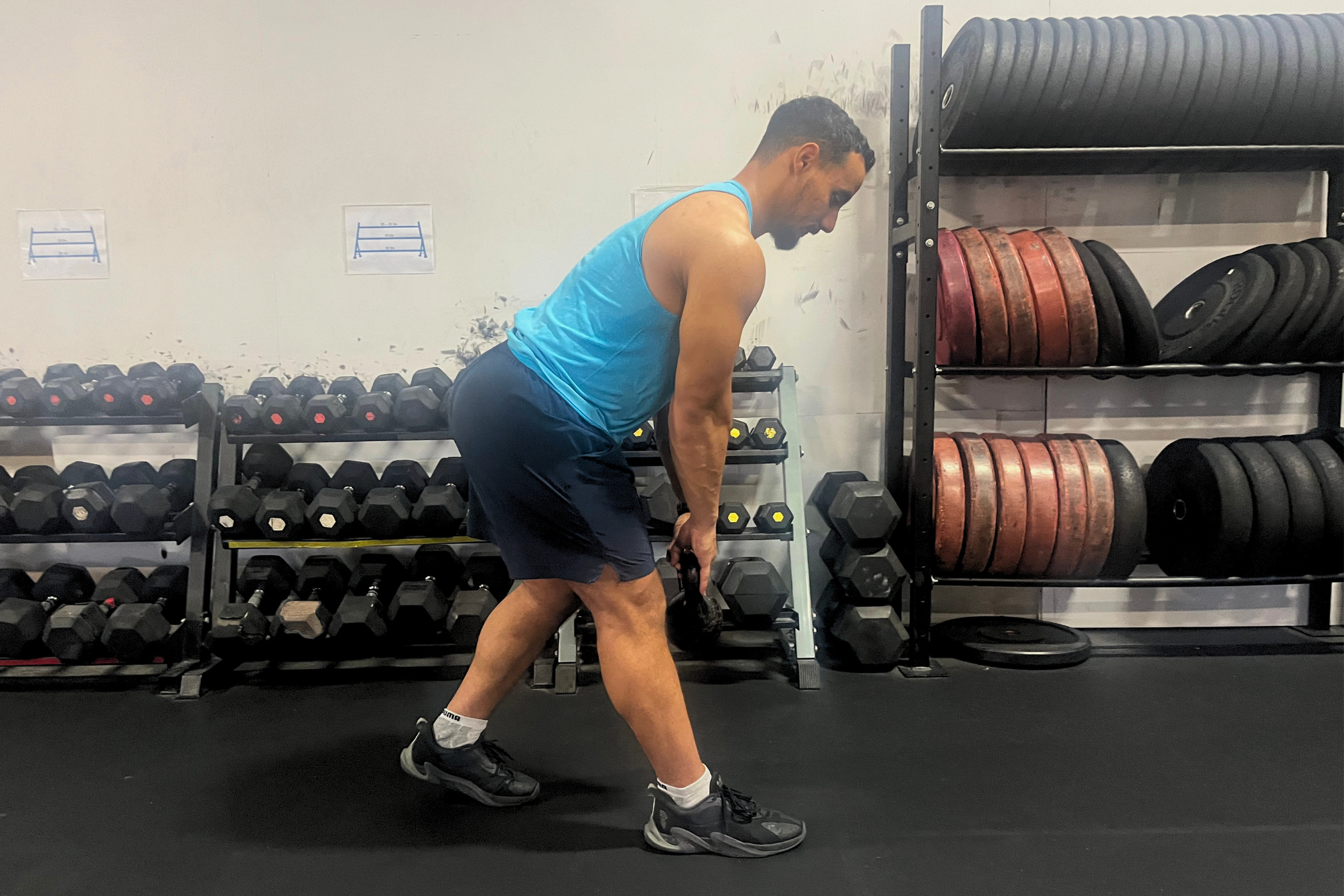

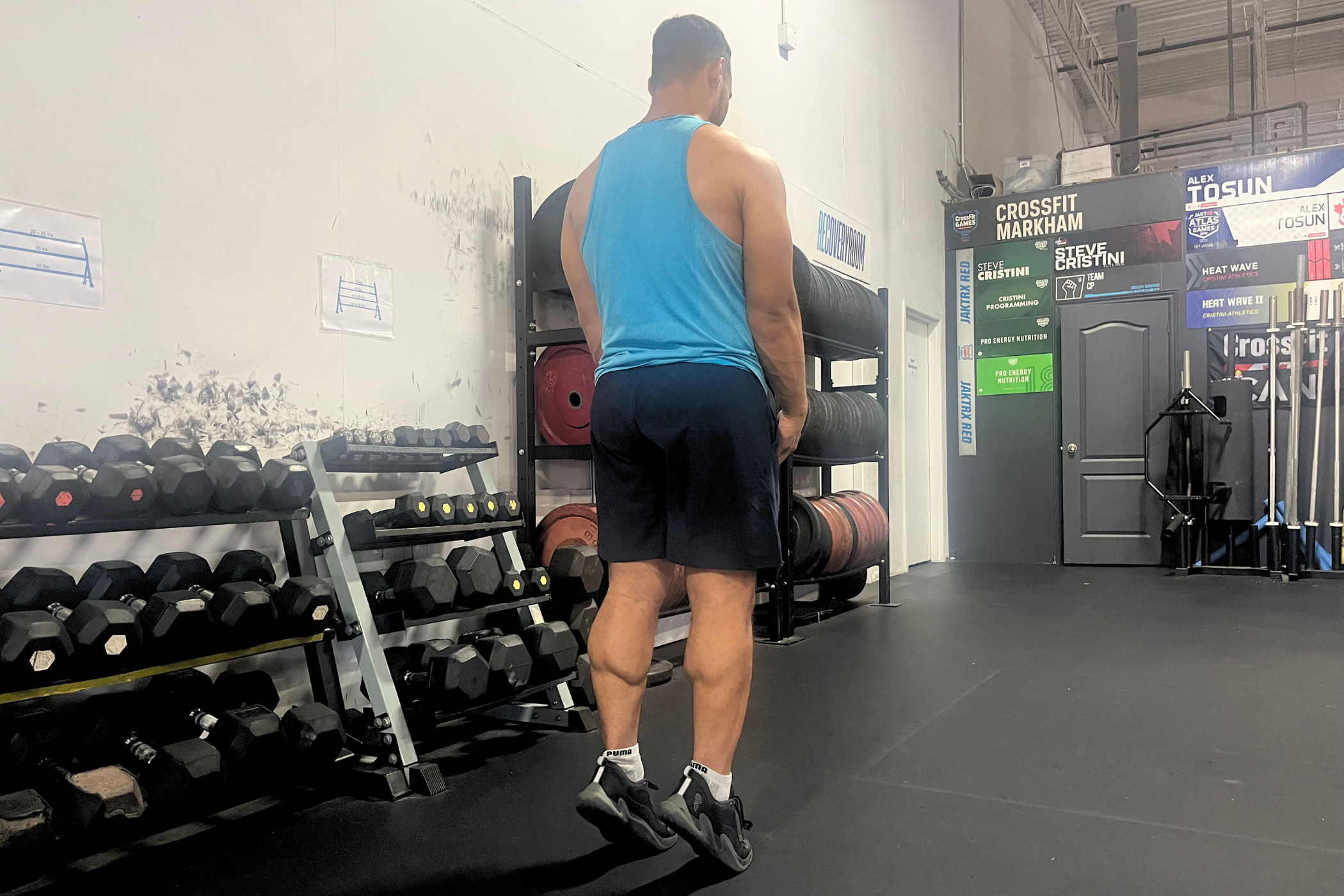
Strength and conditioning principles revolve around progressive overload and specificity. Rehab is not separate from that, it should follow the same logic.
You don’t get resilient by staying light forever. You get resilient by building capacity, then expressing it.
Key Takeaways
Heavy loading is a bridge from “I can move” to “I can handle sport.” Avoiding load keeps you underprepared, and underprepared tissues get irritated when real life forces load on them anyway. The right plan builds strength progressively, then transitions into power and sport-specific work.
If you’re unsure how to load safely, or you’ve been stuck in light band work, a Physiotherapy Assessment can help you find the right starting point and progression (range, tempo, load, and frequency). Cristini Athletics Therapy is a good place to start because you’ll get 1:1 guidance, practical progressions, and training modifications that keep you moving forward, you can book in woodbridge by clicking here.
About Benno
Benno is a physiotherapist registered in the Philippines (PTRP) and is now working in Canada as a trainer and Corrective Exercise Specialist (ISSA). He specializes in bridging rehab to performance, helping people go from post-op or persistent pain back to confident training, work, and sport. He’s passionate about helping clients move better, recover smarter, and reach their goals with a plan that’s practical, progressive, and individualized.