How Aging Quietly Destroys Your Shoulder Tendons and What You Need to Do Now
Author: Bennette Paul D. Campano, PTRP, CPT-CES
We don’t like to think about it, but time takes a toll on our bodies, and your shoulders are no exception. As you move through your 30s and beyond, the tendons in your shoulder start losing strength and elasticity. If you ignore this silent wear and tear, you could be setting yourself up for chronic pain, limited motion, and injuries that slow you down when you least want it.
The Hidden Danger in Aging Shoulders
Your tendons, the tough cords connecting muscles to bones, gradually weaken and become less able to absorb stress. This makes them prone to tiny tears and degeneration, especially in the rotator cuff, the group of muscles stabilizing your shoulder.
Over time, these changes cause pain, stiffness, and a loss of strength. Everyday actions like lifting a bag, reaching overhead, or even dressing may become painful or difficult.
Left unchecked, these problems can escalate into rotator cuff tears, impingement, or frozen shoulder. Healing slows as blood flow decreases, and once muscle mass is lost, it’s much harder to regain.
Take Control Today to Protect Tomorrow
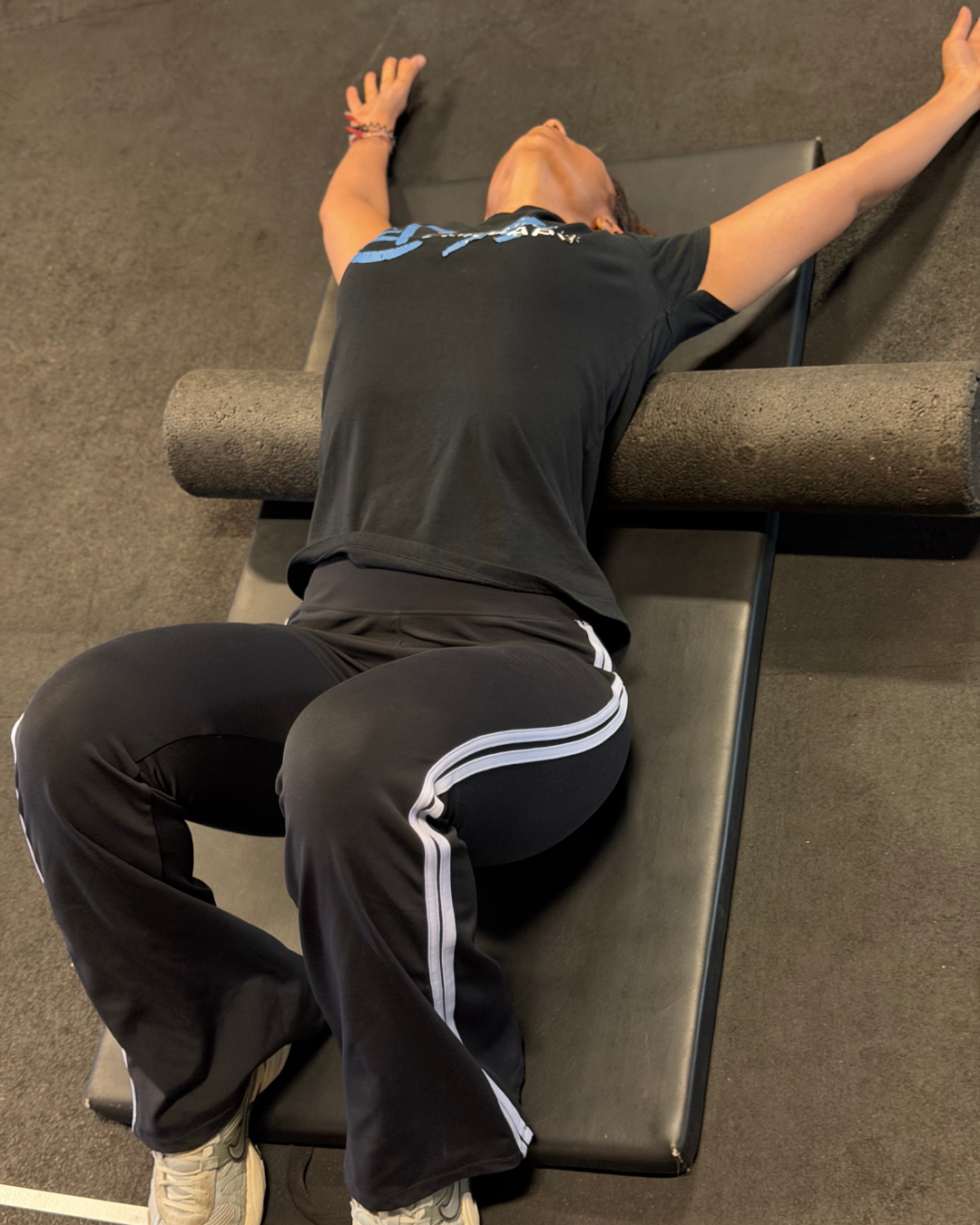
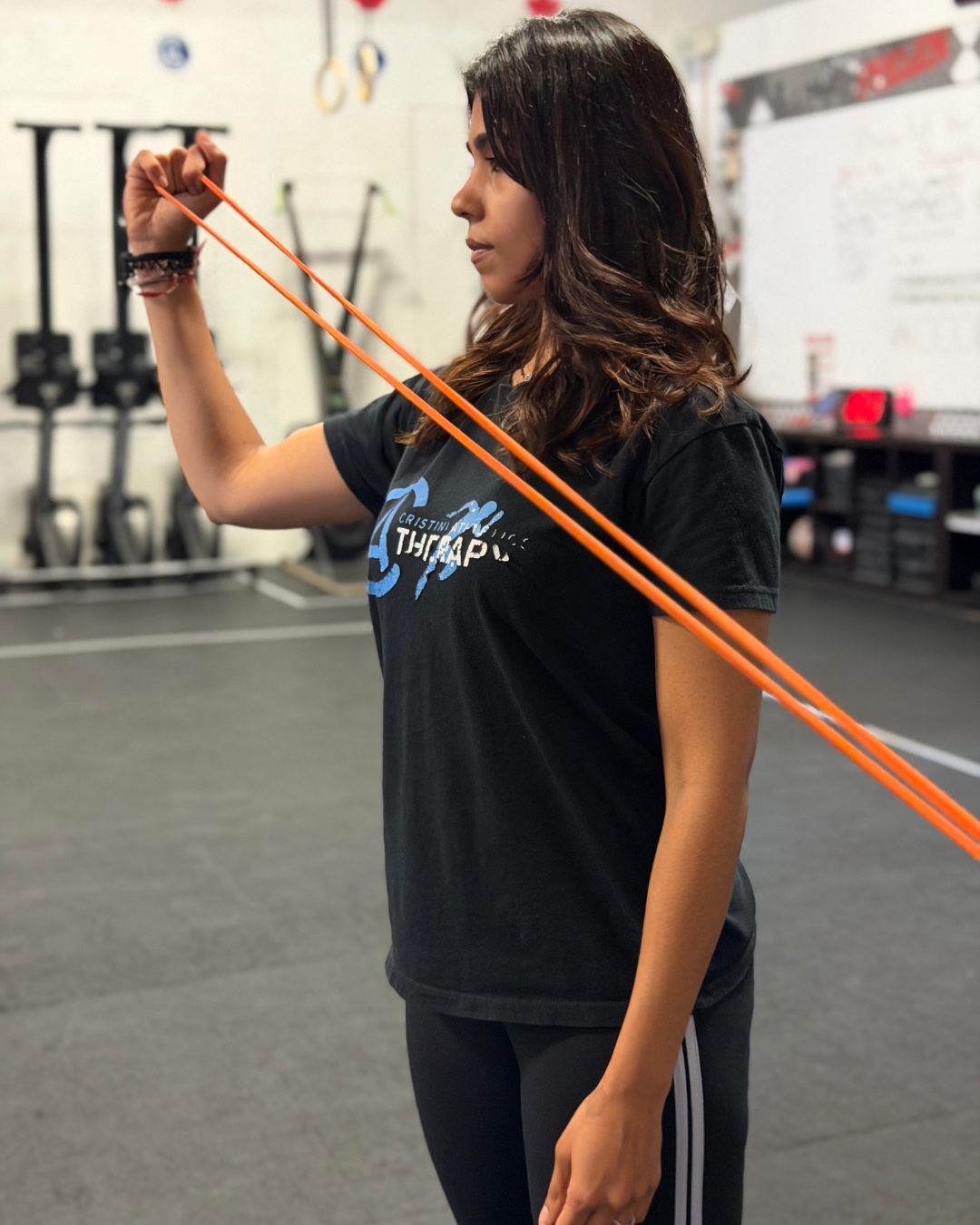
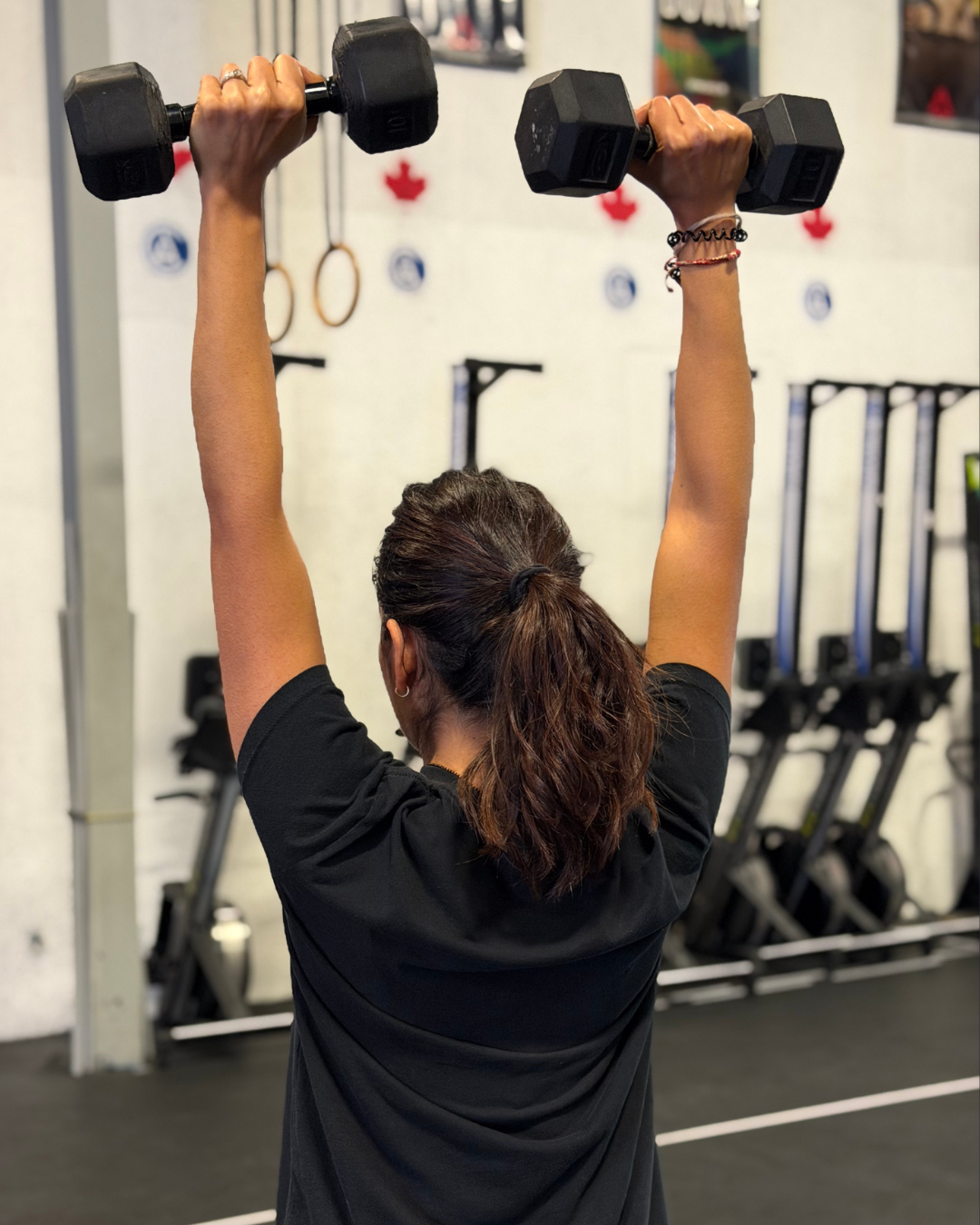
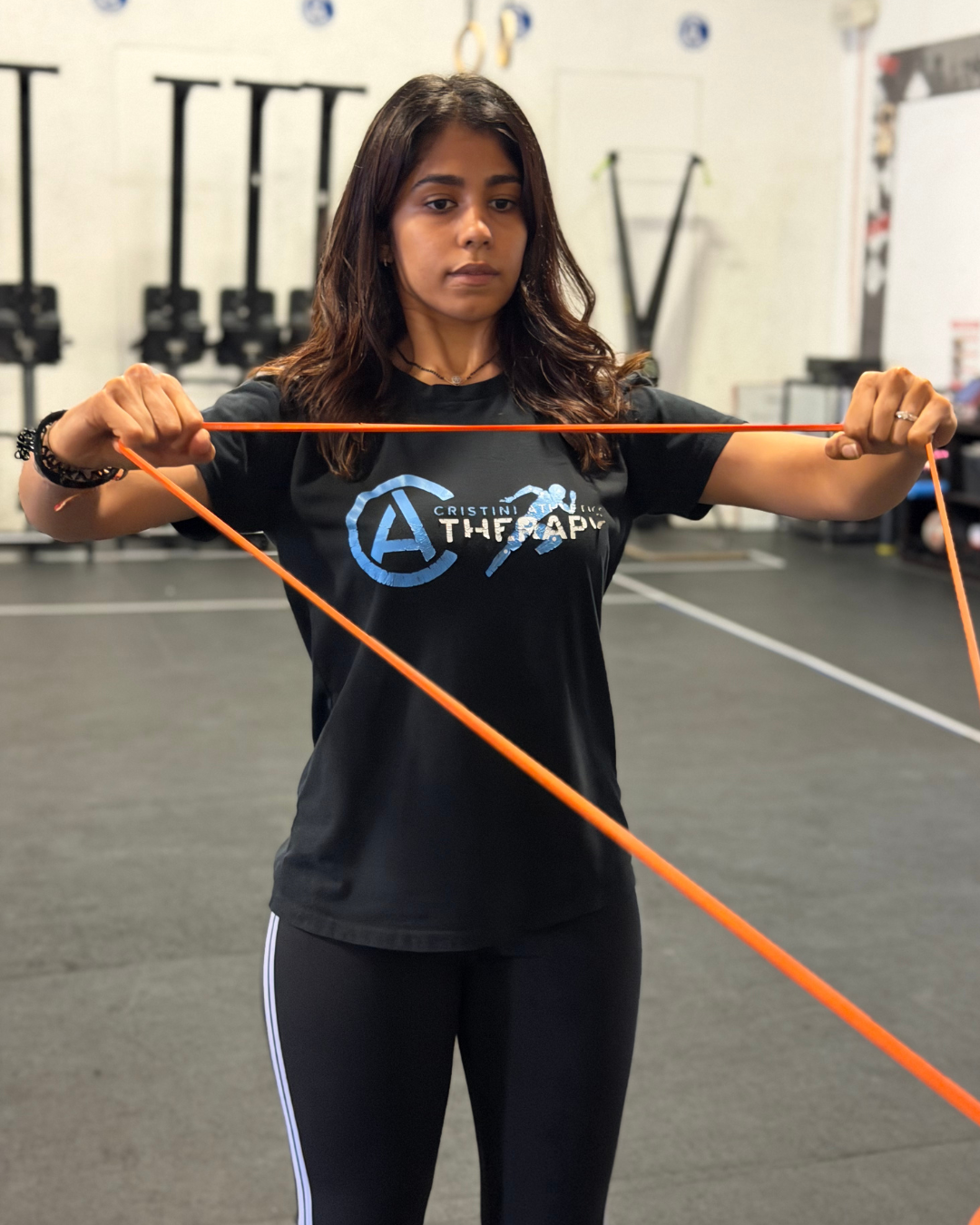
The good news? You don’t have to wait until pain strikes to act. Start now:
Stay active: movement boosts tendon health and blood flow.
Strengthen your rotator cuff and shoulder stabilizers with safe, targeted exercises.
Maintain flexibility to avoid stiffness and preserve your range of motion.
Practice good posture to reduce unnecessary strain.
Use proper lifting techniques to protect your shoulders from overload.
At Cristini Athletics Therapy, our physiotherapists and RMTs specialize in designing personalized programs that rebuild shoulder strength, improve mobility, and prevent injury before it happens. Early intervention is the key to avoiding costly, painful setbacks.
Don’t Let Age Define Your Shoulders
If you’re already feeling shoulder pain or limited movement, don’t ignore it. Early treatment can prevent worse damage and get you back to feeling strong and capable.
Article takeaways
Aging doesn’t “break” the shoulder overnight, it reduces tendon capacity slowly, which makes everyday loads feel bigger over time. Staying active and strengthening the rotator cuff and shoulder stabilizers is one of the best ways to protect shoulder health as you get older, especially if you want to keep training. Cristini Athletics Therapy is a good place to start because you’ll get 1:1 time with a physiotherapist, practical strategies you can use at work and in training, and a clear progression, you can book in Woodbridge through our link:
Benno is a physiotherapist registered in the Philippines (PTRP) and is now working in Canada as a trainer and Corrective Exercise Specialist (ISSA). He specializes in bridging rehab to performance, helping people go from post-op or persistent pain back to confident training, work, and sport. He’s passionate about helping clients move better, recover smarter, and reach their goals with a plan that’s practical, progressive, and individualized.