Author: Bennette Paul D. Campano, PTRP, CPT-CES
One of the most common mistakes athletes make is stopping rehab when pain drops. Pain-free is a milestone. It’s not a performance standard.
You can be pain-free and still lack strength capacity, power output, deceleration control, and reactive confidence. That’s why athletes often say, “It doesn’t hurt, but it doesn’t feel right.”
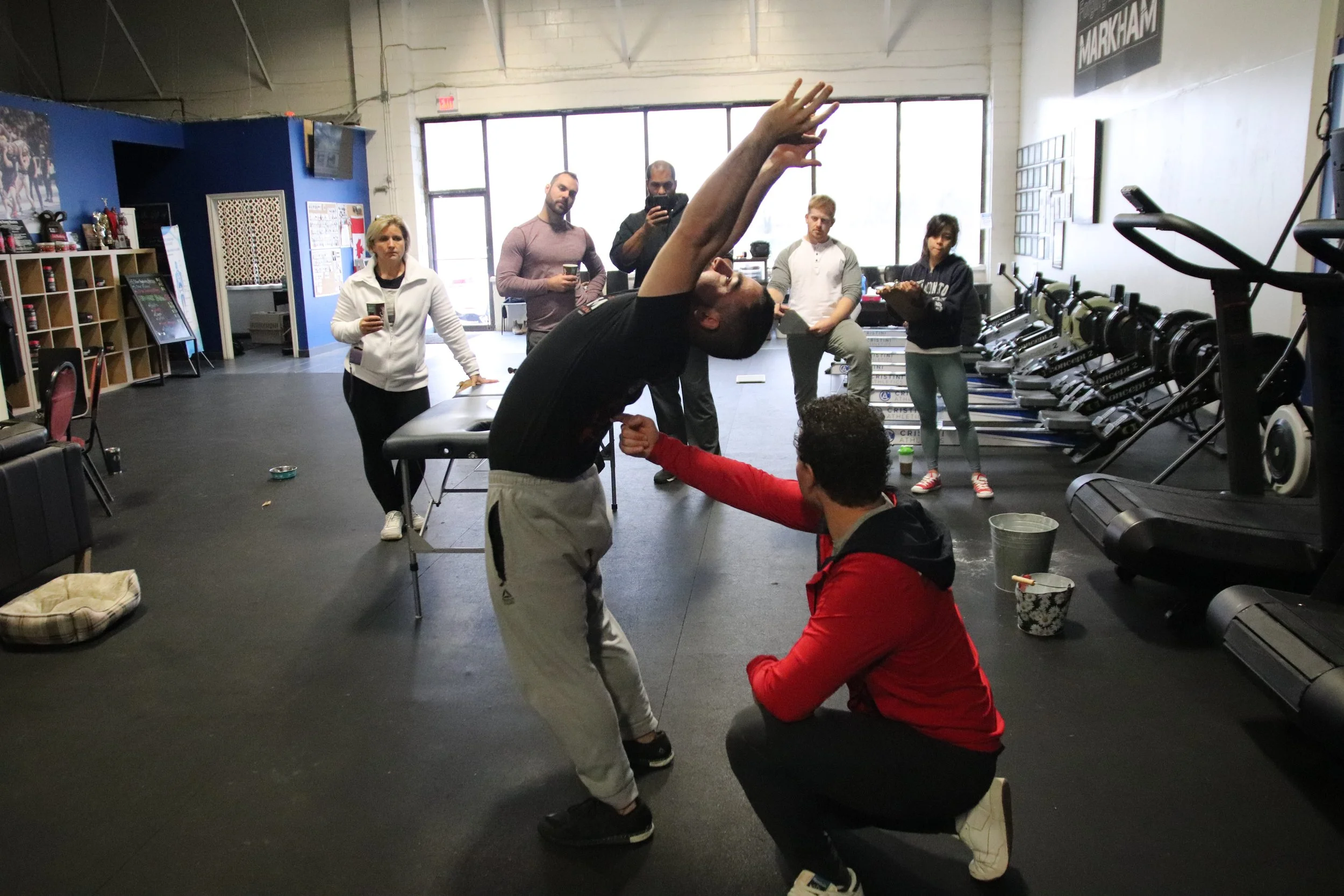
Screens
Movement screens are fast, objective checks that spot movement limits, asymmetries, and compensations affecting performance. By assessing mobility, stability, joint control and patterns, they identify causes of lost power, poor technique and higher injury risk.
What Matters More Than Pain
A performance-based return-to-play process asks better questions:
Can you sprint without hesitation?
Can you cut and absorb force on one leg?
Can you repeat efforts under fatigue?
Can you tolerate training volume without flare-ups?
Many return-to-sport approaches use objective criteria (strength tests, hop tests, symmetry targets, and sport-specific benchmarks) to reduce the risk of returning underprepared.
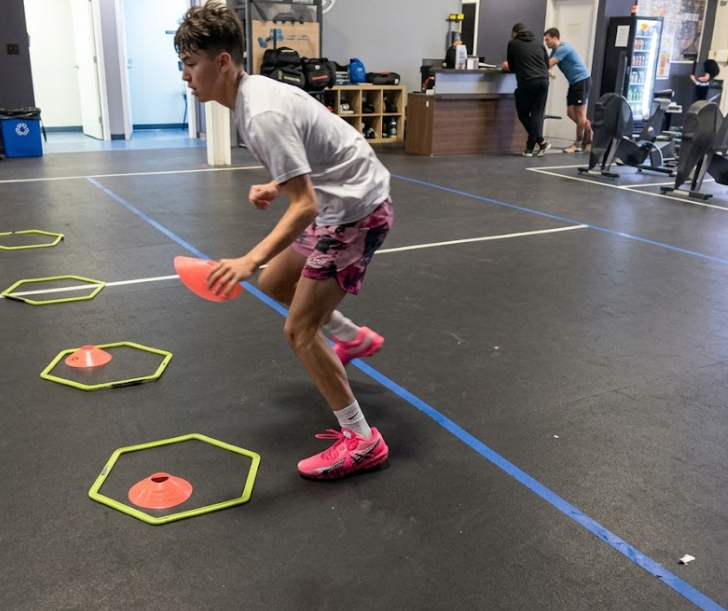
Return to Sport Testing
Return-to-sport testing in physiotherapy is a structured, objective process used to determine when an athlete can safely resume training and competition after injury. It combines clinical assessment, strength
The Real Finish Line
The real goal is not just returning to participation; it’s returning to performance.
That means you don’t just get back, you rebuild the qualities that made you effective, and you earn trust in your body again.
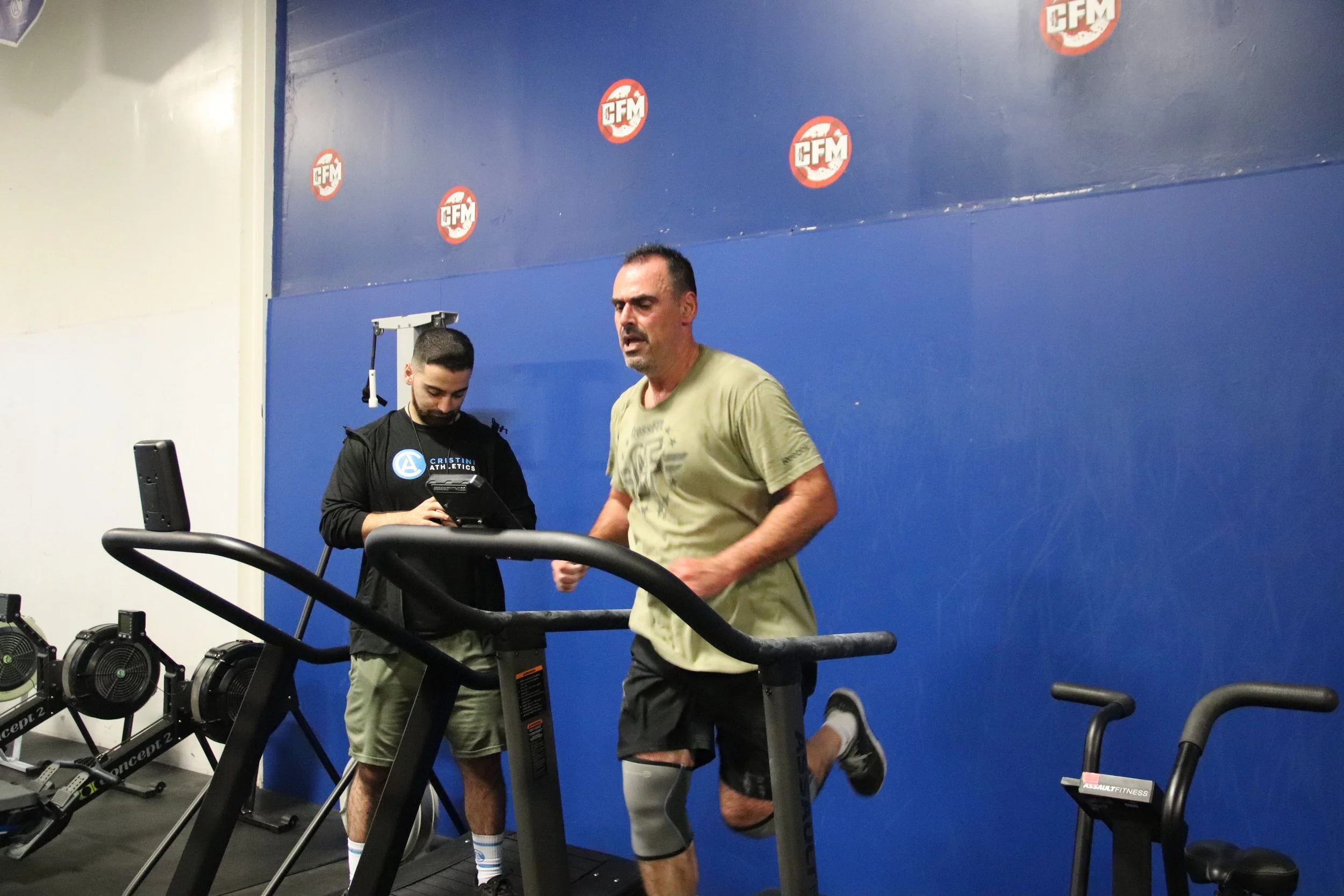
Pushing limits: measuring speed capacity and reaction time to fine-tune up performance and reduce injury risk.
Key Takeaways
Pain-free doesn’t automatically mean ready. Return to performance requires rebuilding strength, then power, then speed and sport-specific exposure, with criteria and progression, not guesswork. Rehab ends when you trust your body again because you’ve trained it to handle real demands.
If you want a clearer “am I actually ready?” answer and a progression that fits your sport and history, a Physiotherapy Assessment can help you identify your limiting factor and map out the next phases. Cristini Athletics Therapy is a good place to start because you’ll get 1:1 guidance, practical progressions, and training modifications that keep you moving forward.
About the Author
Benno is a physiotherapist registered in the Philippines (PTRP) and is now working in Canada as a trainer and Corrective Exercise Specialist (ISSA). He specializes in bridging people from post-operation rehab to return to play and optimizing performance, helping people go from post-op or persistent pain back to confident training, work, and sport. He’s passionate about helping clients move better, recover smarter, and reach their goals with a plan that’s practical, progressive, and individualized.