Returning to Lifting After a Shoulder Injury, What Most People Get Wrong
Author: Bennette Paul D. Campano, PTRP, CPT-CES
The most dangerous moment for a shoulder injury is not when it first happens. It's when you start feeling better.
That's when people rush back, test their old numbers, and assume pain-free means ready. Then the shoulder flares again, and now you're stuck in a cycle of setbacks.
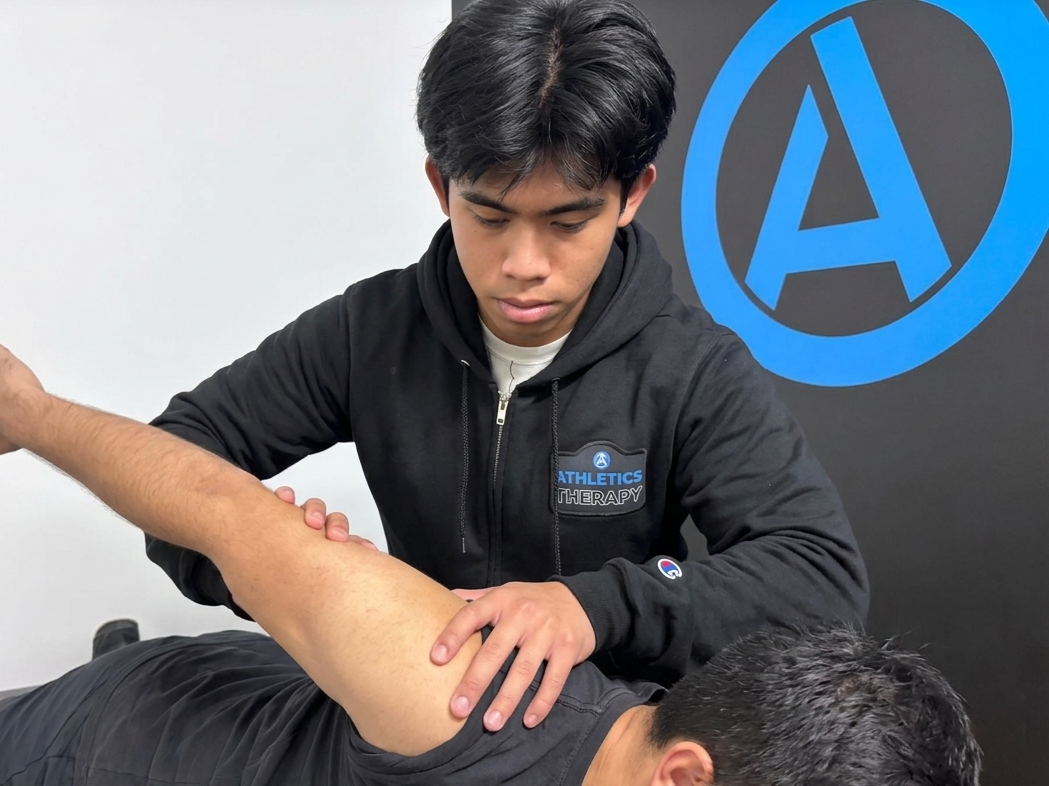
What Most People Get Wrong
The biggest mistakes are:
Returning to the same volume too soon
Testing max strength before rebuilding endurance and control
Skipping scapular mechanics and thoracic mobility work
Only doing light rehab exercises that never progress
Ignoring the movements that still feel off
Your shoulder may feel okay in daily life, but lifting demands a different level of stability and tolerance.
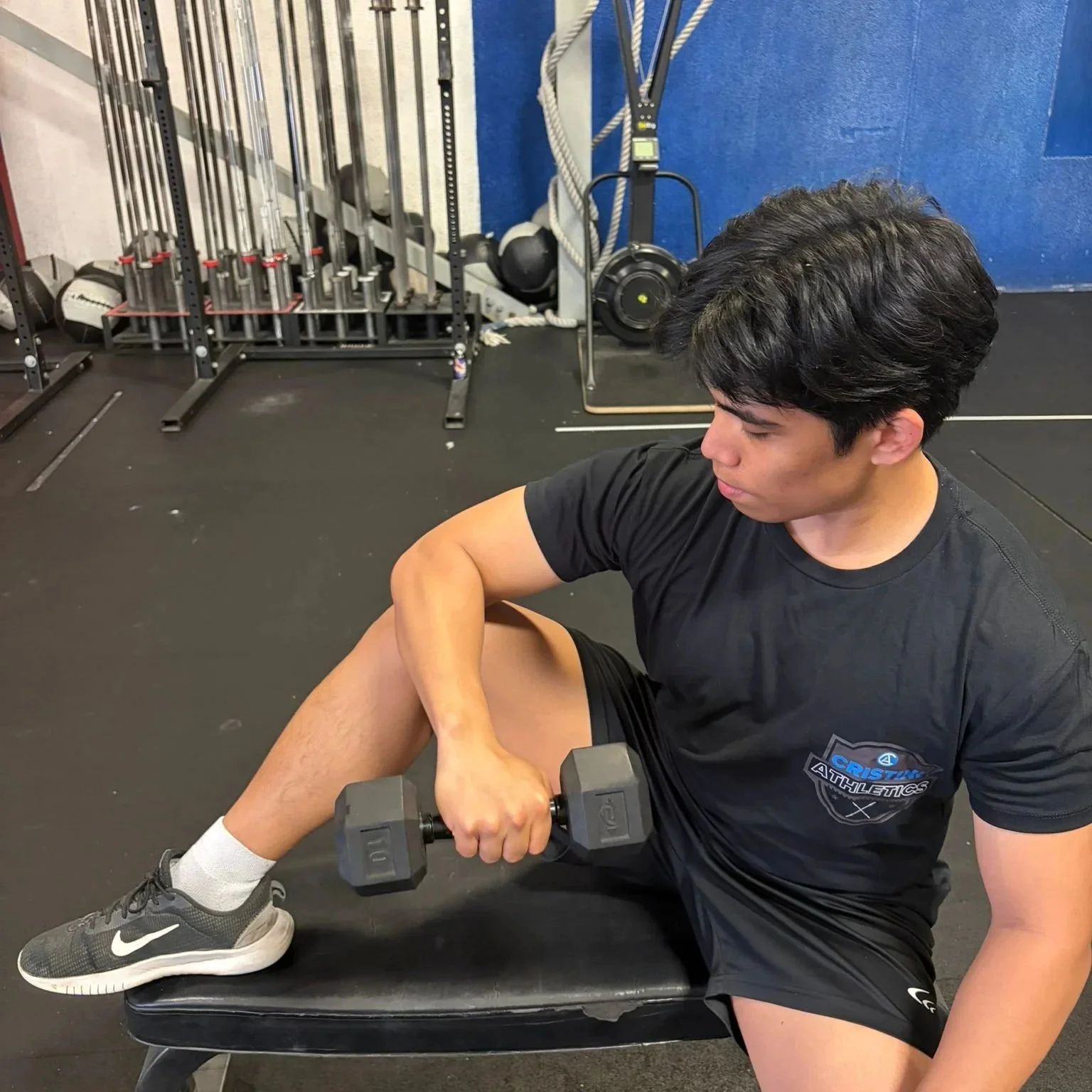
Gradual Loading
Gradual loading is a step-by-step approach to returning to activity after an injury. Instead of jumping back into sports right away, exercises and activity levels are increased gradually as the body heals. The process starts with gentle movement and basic exercises, then progresses to strength, balance, speed, and sport-specific activities. By monitoring symptoms and progress along the way, gradual loading helps reduce the risk of re-injury and supports a safe, confident return to sport.
A Smarter Return-to-Lifting Plan
A better plan usually includes:
A gradual volume ramp, not a sudden return
Technique and range modifications early on
Progressive loading for the cuff and scapular stabilizers
A clear progression back to bench, overhead press, pull-ups, and dips
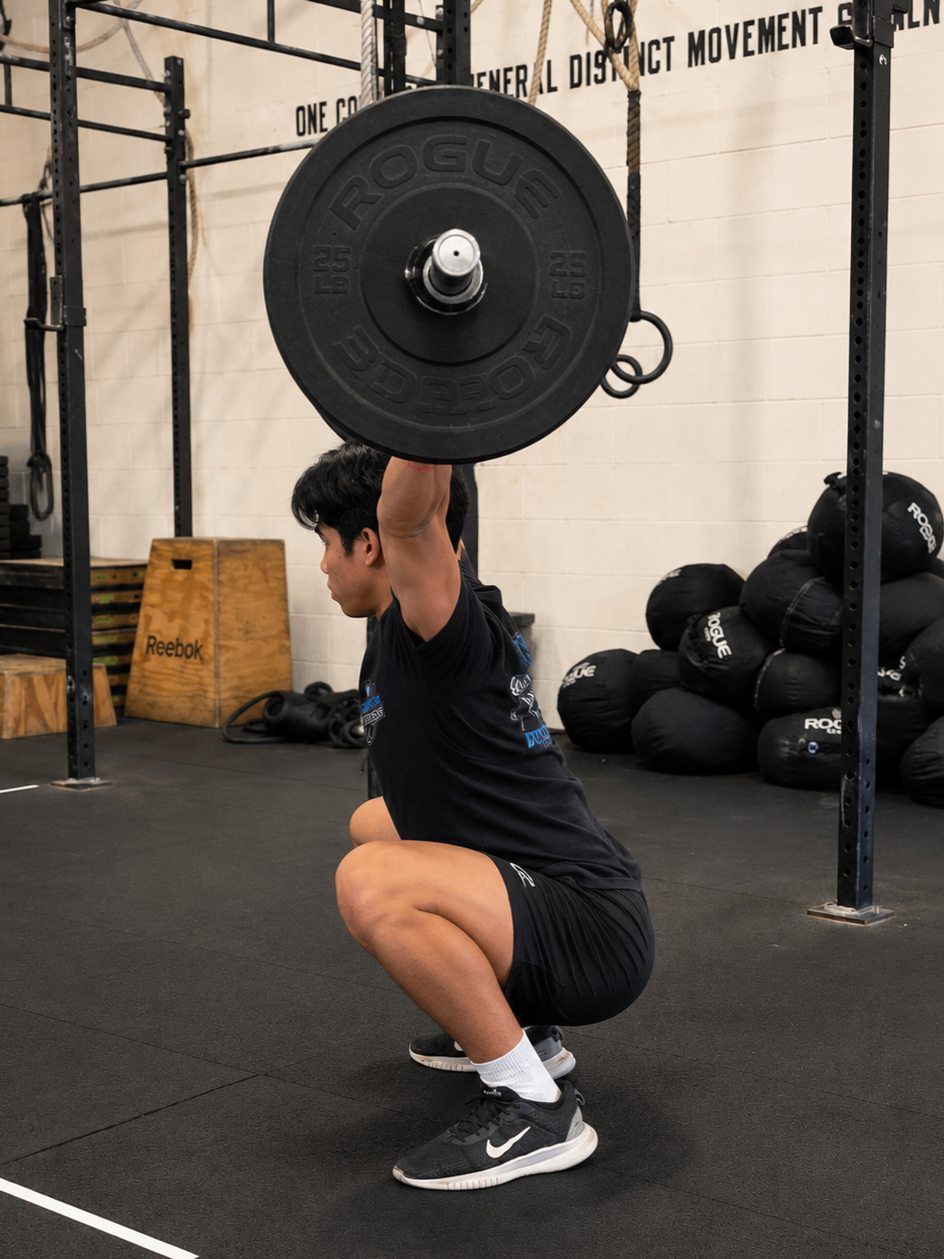
The Snatch
The Snatch requires strength, mobility, stability, coordination, and confidence through the entire shoulder complex. If an athlete can safely receive and control a snatch overhead, it’s often a strong sign that their shoulders are prepared to handle the demands of sport and high-performance movement.
Article takeaways
Returning to lifting too fast is one of the biggest reasons shoulder injuries become chronic, because pain can improve before the rotator cuff, scapular stabilizers, and overhead mechanics are truly ready for volume. The goal is not just to be pain-free, it's to be prepared, with endurance, control, and a gradual progression back to pressing and pulling. If you want a clear return-to-lifting plan that reduces reinjury risk, you can book in Woodbridge:
About the Author
Benno is a physiotherapist registered in the Philippines (PTRP) and is now working in Canada as a trainer and Corrective Exercise Specialist (ISSA). He specializes in bridging people from post-operation rehab to return to play and optimizing performance, helping people go from post-op or persistent pain back to confident training, work, and sport. He’s passionate about helping clients move better, recover smarter, and reach their goals with a plan that’s practical, progressive, and individualized.