Chronic Ankle Instability: Why It Keeps Happening & How to Fix It
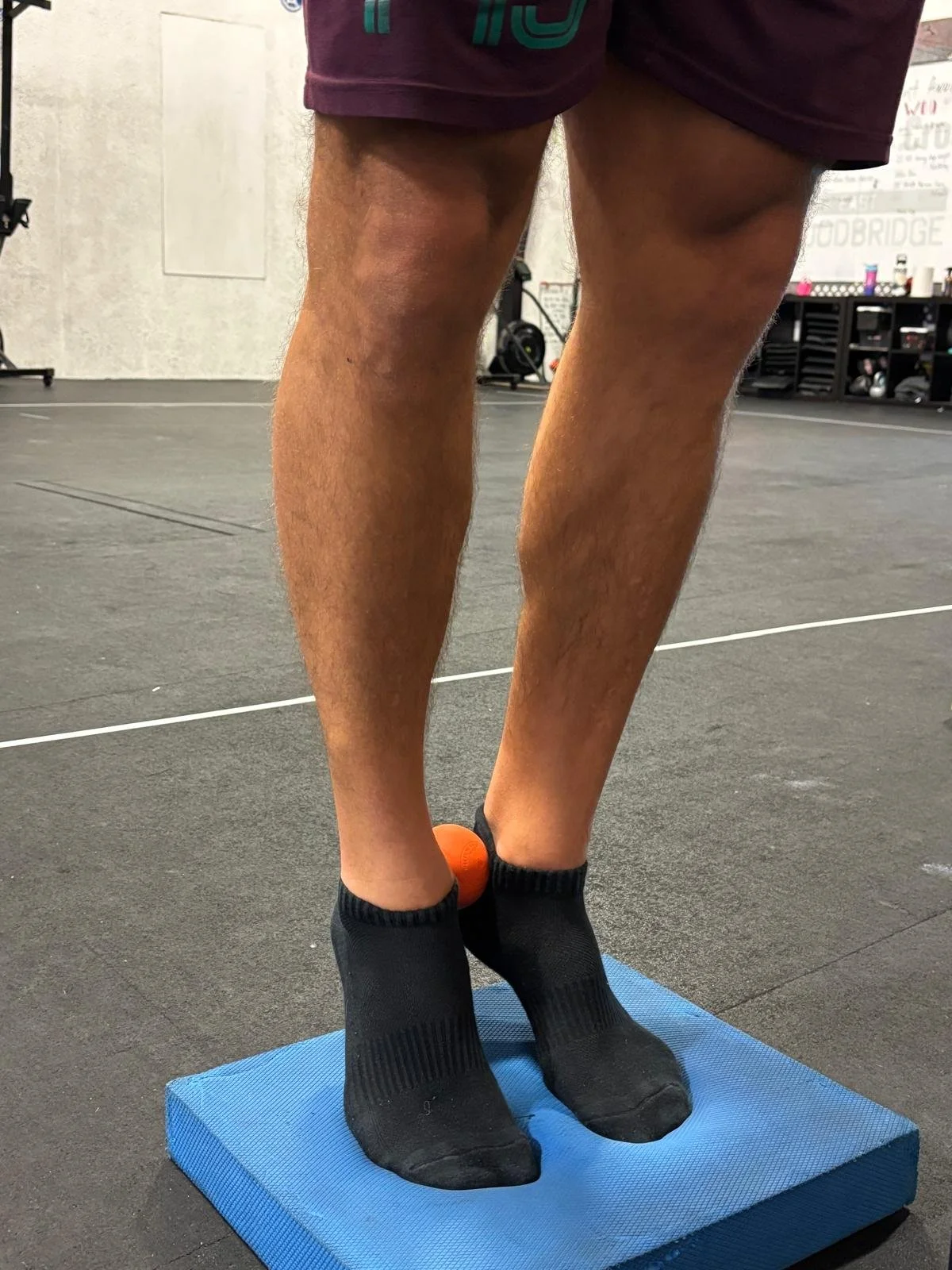
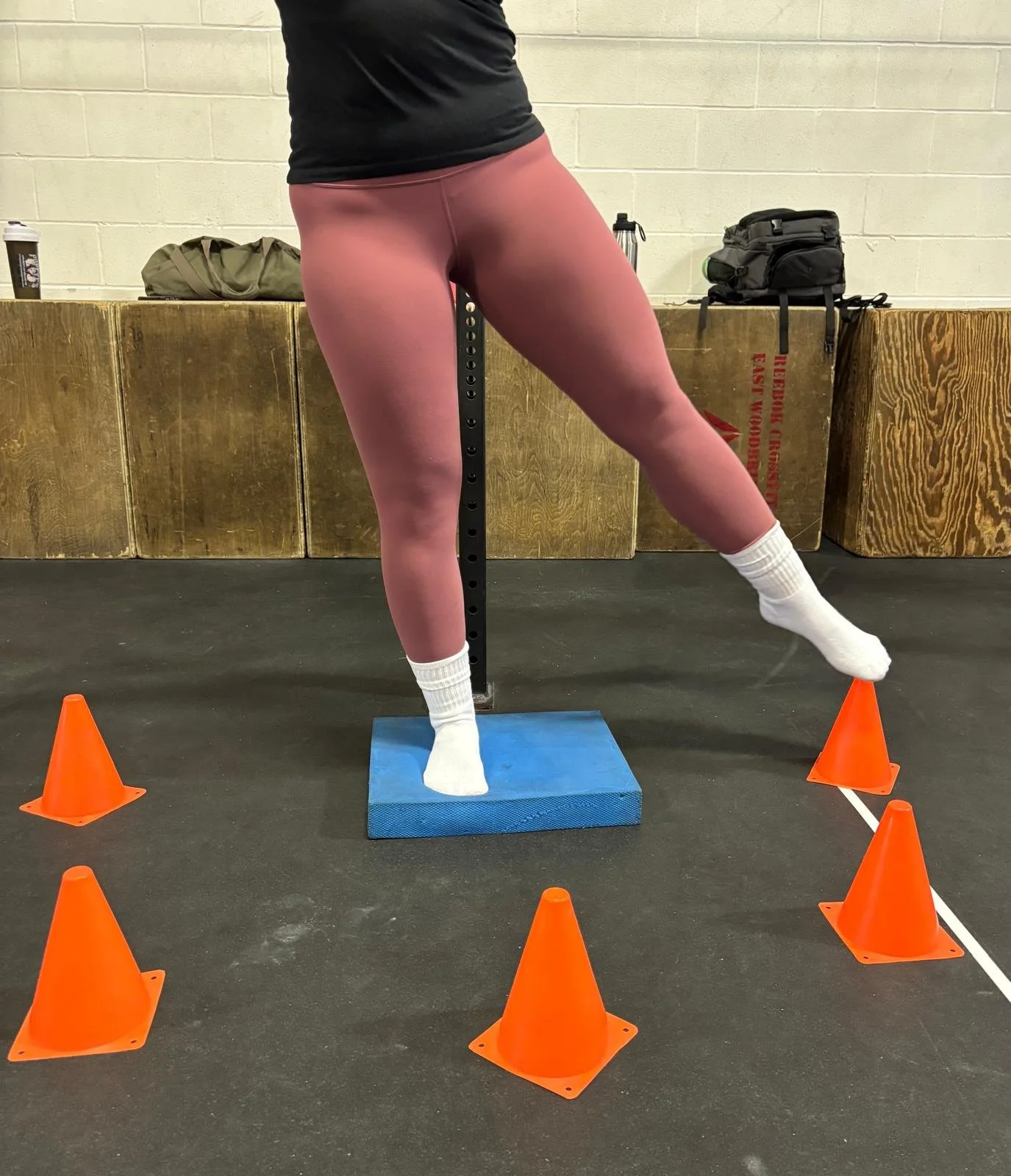
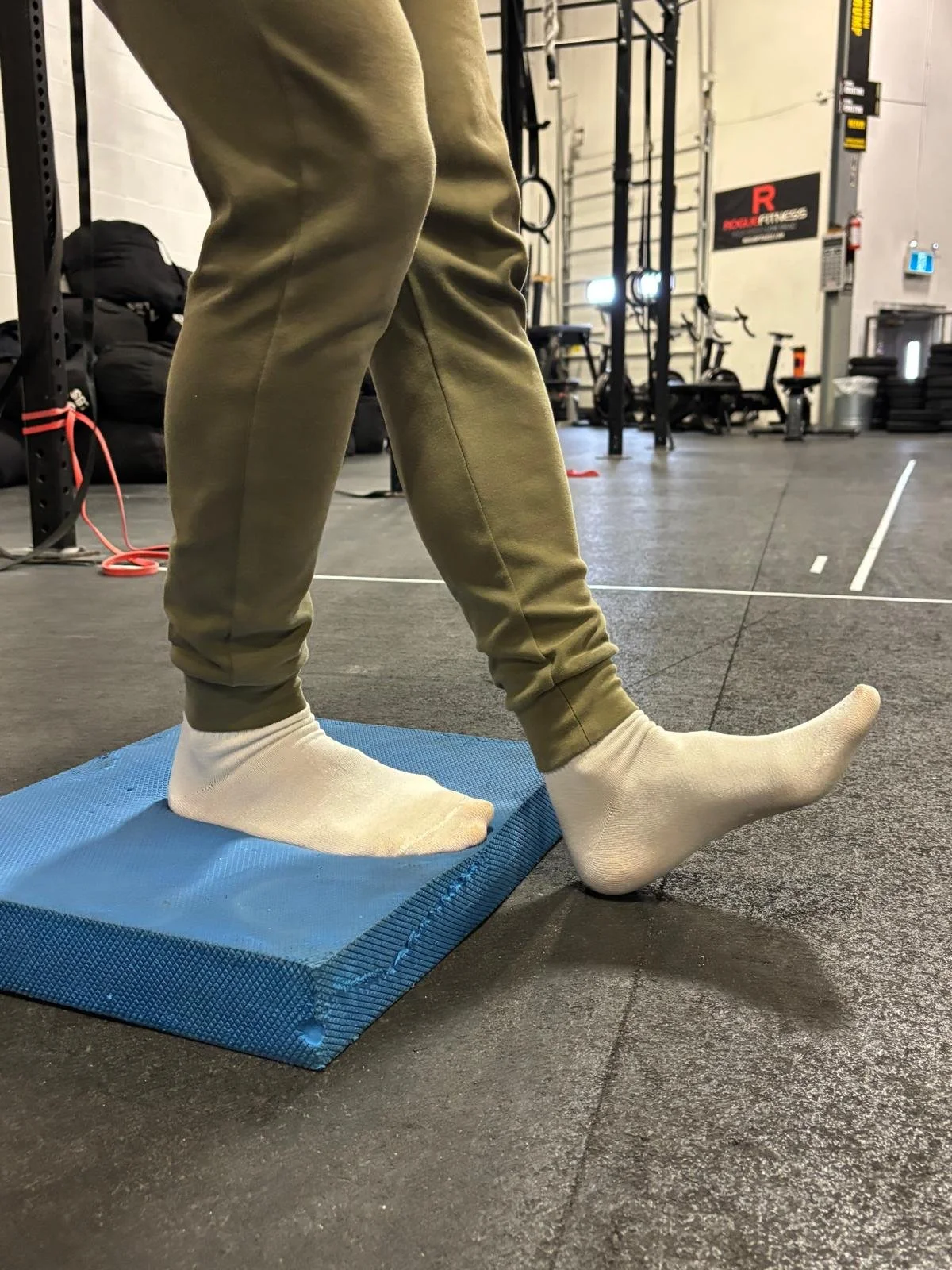
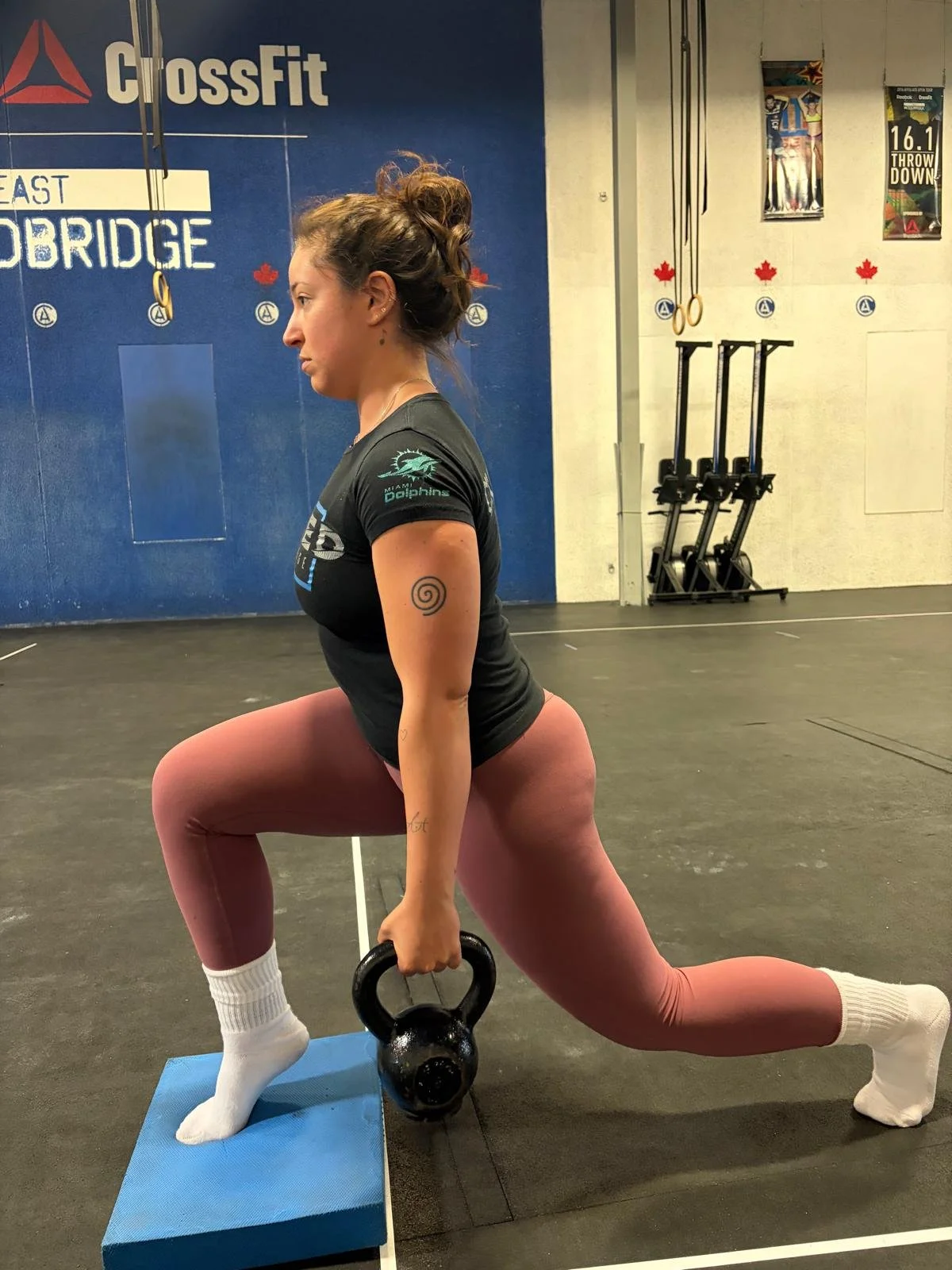
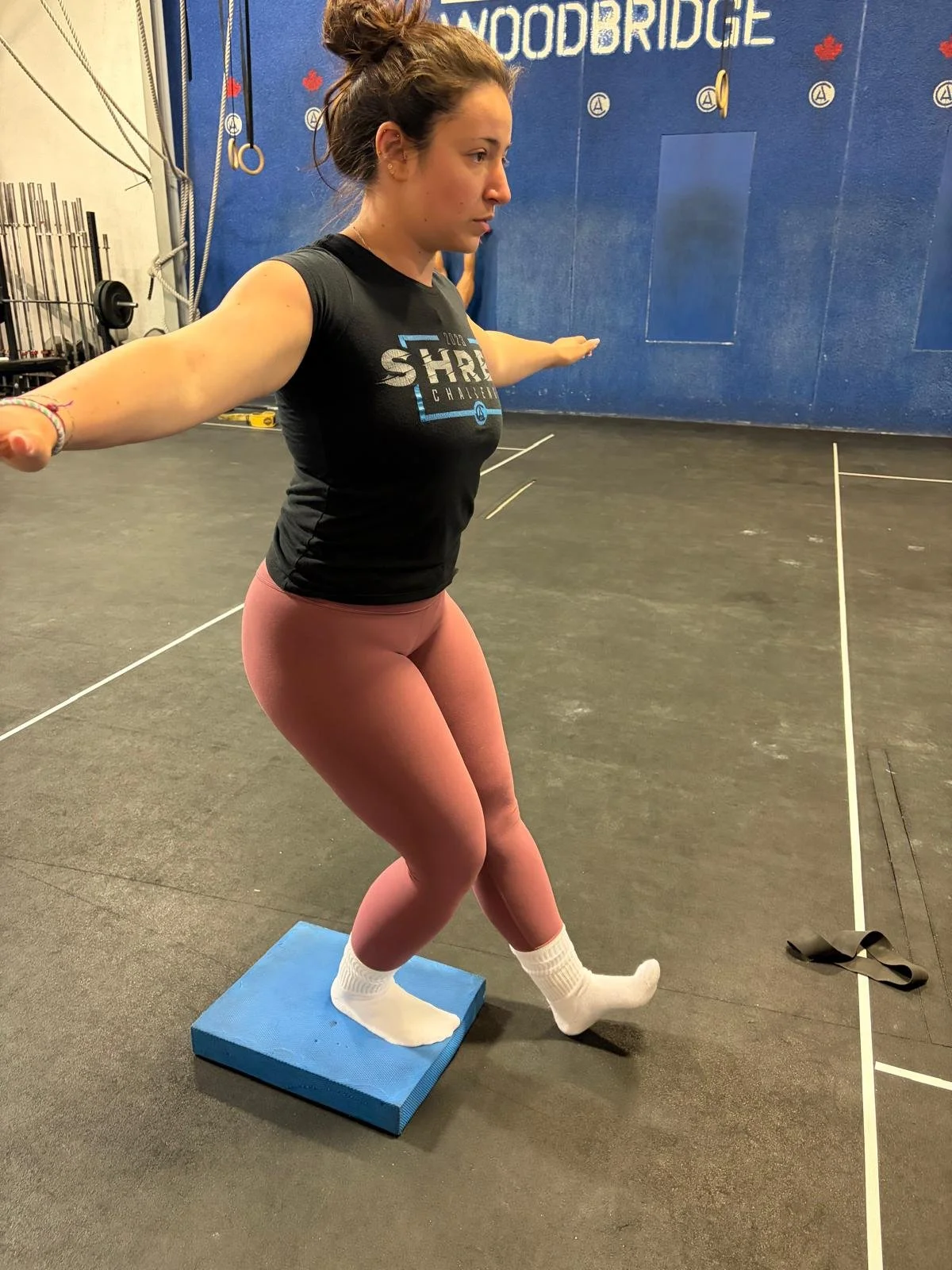
Chronic ankle instability (CAI) is what happens when an ankle sprain doesn't fully "close the loop." The swelling goes down, you can walk again, and you get back to training — but the ankle never feels truly reliable. It rolls on uneven ground. It feels wobbly when you cut or land. You avoid certain movements without even realizing it.
If you've ever wondered why does my ankle keep rolling even months after a sprain, you're not alone — and you're not imagining it. CAI is common in athletes, but it also shows up in busy adults who are on their feet all day, people who hike or run, and anyone who's had "one too many" ankle sprains over the years. The frustrating part is that the ankle can look fine on the outside while still lacking the things that make it stable: ankle joint mobility where you need it, strength where you need it, and fast reflexes when you're moving.
What Chronic Ankle Instability Actually Is (Beyond "Weak Ankles")
Most people think ankle instability is just loose ligaments. Ligaments matter, but chronic ankle instability is usually a combination of:
Mechanical factors — stiffness, limited dorsiflexion ankle range, and lingering swelling
Sensorimotor factors — your ankle's internal "GPS" and reflex timing (also called sensorimotor training deficits)
Strength and capacity issues — lateral ankle strength, peroneal strength, calf, and hip
Movement strategy changes — compensations that shift load away from the injured side, often leading to knee or hip problems downstream
In other words: how to fix chronic ankle instability is rarely answered by "just do balance on one leg for a week." It's solved by rebuilding the entire system.
The Most Common Reason CAI Persists
The biggest pattern in ankle rehab is this: people return to activity as soon as pain is tolerable, but before the ankle has regained full motion, strength, and reactive control. That's not a willpower issue — it's a guidance issue.
If dorsiflexion ankle mobility never returns, your body finds a workaround. If lateral ankle strength and peroneal strength aren't rebuilt, the ankle relies on passive structures. If sensorimotor training isn't progressed into real-life speeds, you'll be stable in slow exercises but not in actual movement. This is where ankle sprain recovery breaks down for most people — the pain resolves, but the underlying deficits don't.
What a Real Ankle Instability Treatment Plan Looks Like
Effective ankle instability treatment — and especially addressing chronic ankle instability — typically moves through structured phases:
Phase 1 — Restore Motion & Calm Irritation
Reduce swelling, restore dorsiflexion ankle range, and address any joint stiffness that's feeding compensation patterns.
Phase 2 — Rebuild Strength
Progressively load the calf, peroneals, lateral ankle musculature, and intrinsic foot muscles. Peroneal strength is especially critical for lateral ankle stability — and it's often undertrained.
Phase 3 — Sensorimotor Training & Balance Progression
Balance work that actually transfers to movement. This means progressing from slow, stable surfaces to reactive, unpredictable challenges that match real-life demands.
Phase 4 — Return to Sport / Activity
Speed, direction changes, landing mechanics, and a criteria-based return to sport ankle protocol — not just "pain is gone, you're good." The goal of ankle rehab isn't to protect the ankle forever. It's to make it reliable again.
Chronic Ankle Instability Exercises: What Actually Helps
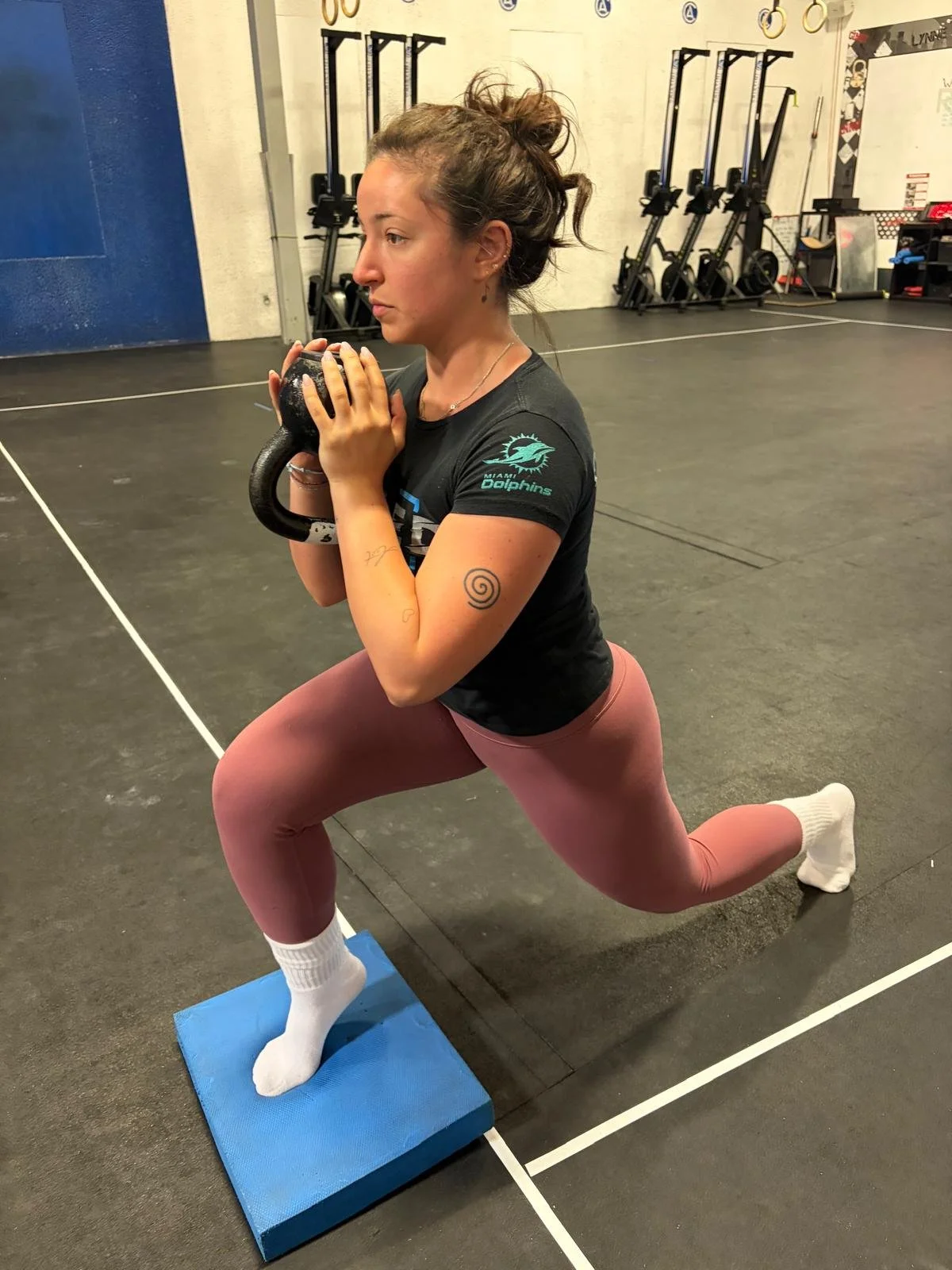
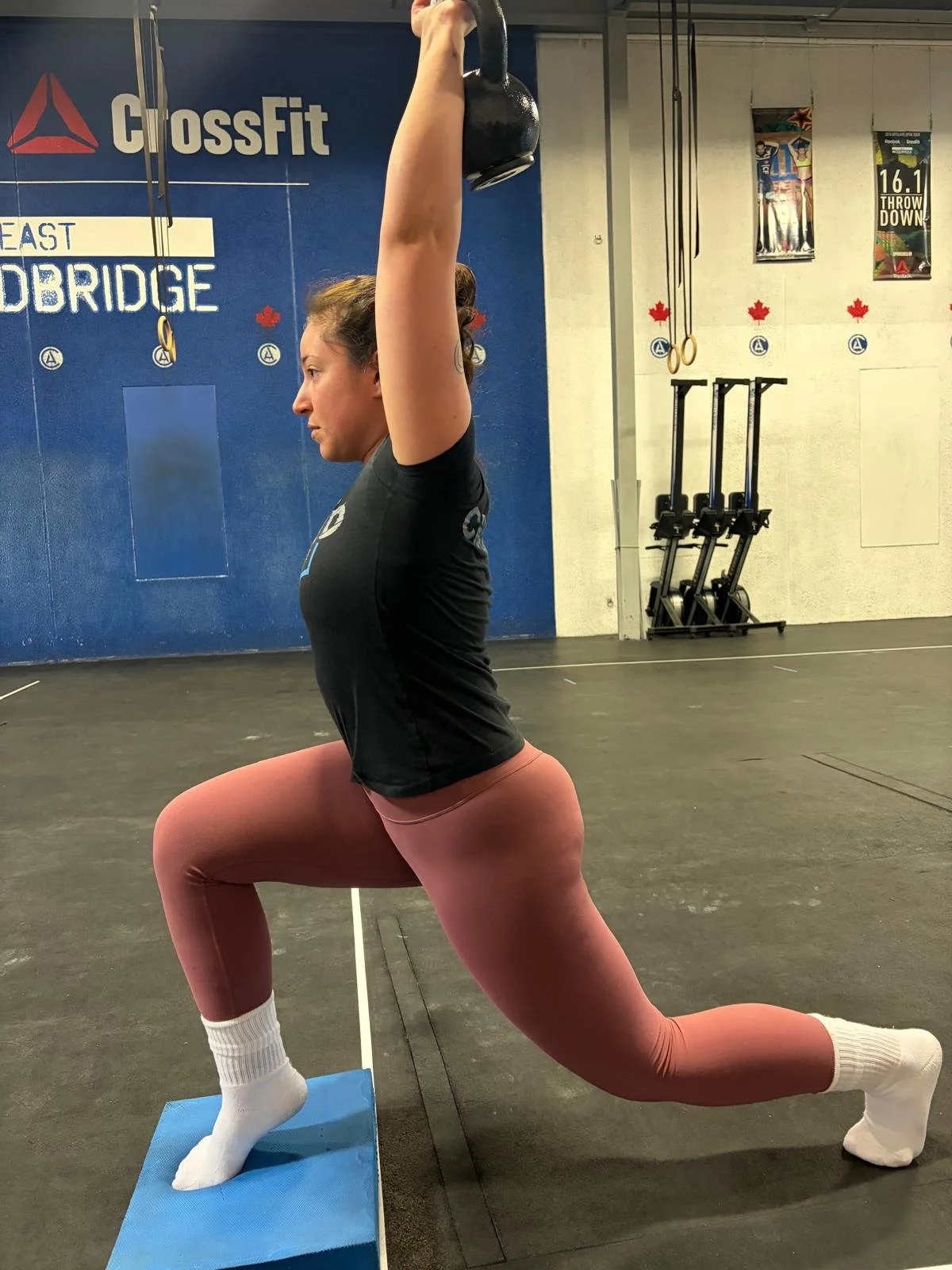
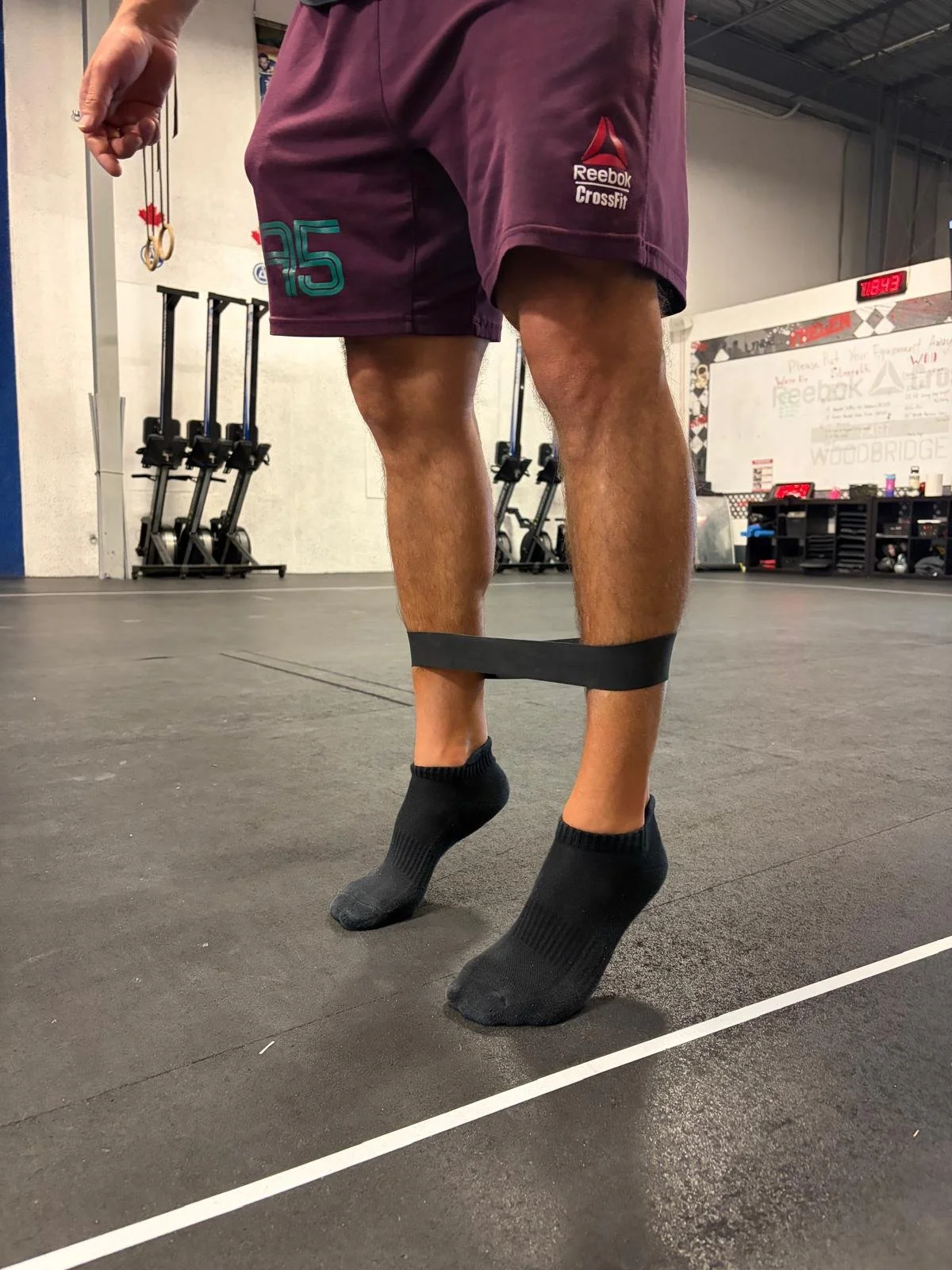
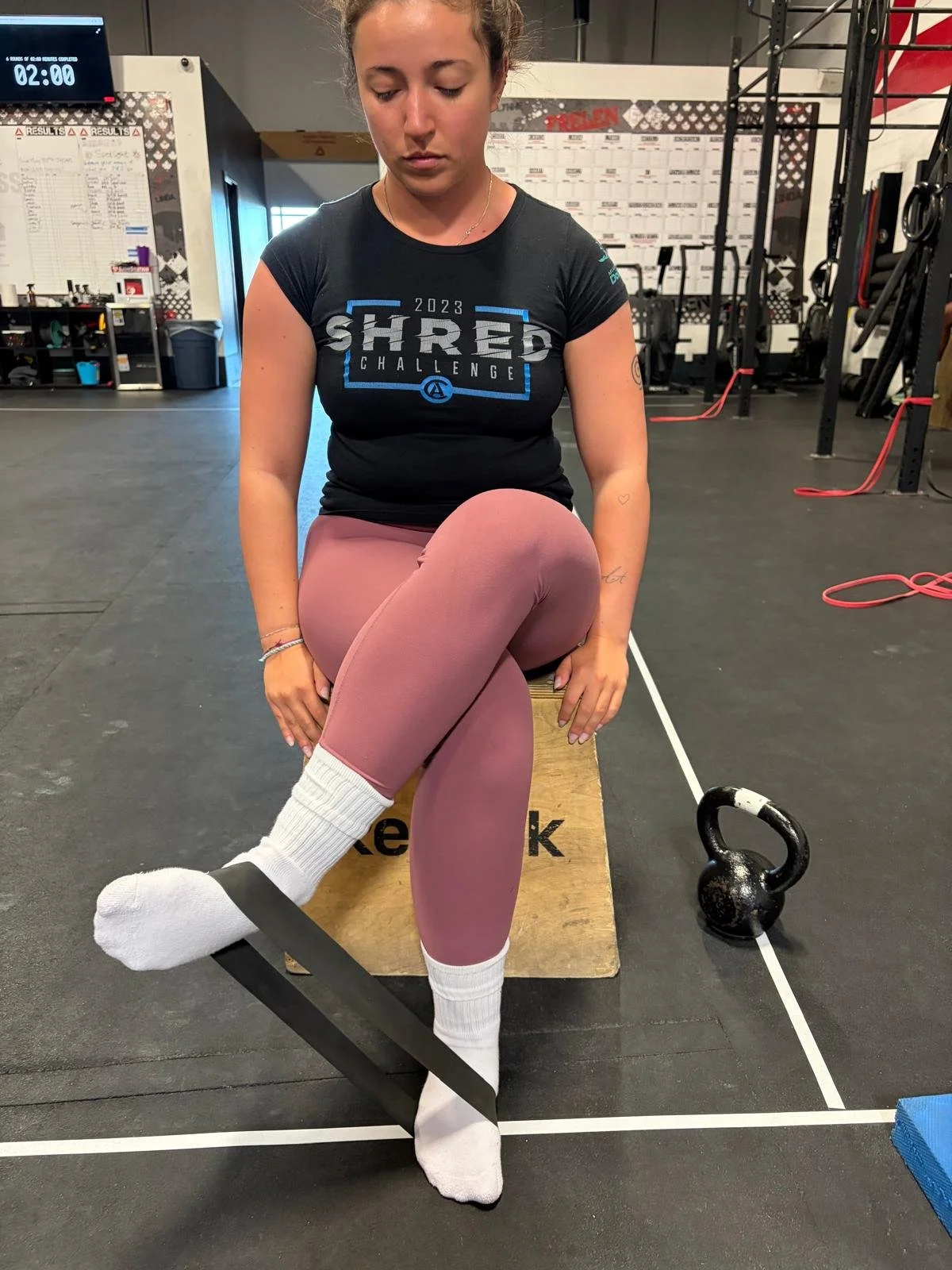
Chronic ankle instability exercises that make a real difference include:
Dorsiflexion ankle mobility work — wall ankle stretches, half-kneeling mobilizations
Peroneal strength training — banded eversion, single-leg calf raises with control
Lateral ankle strength — resisted inversion/eversion progressions
Sensorimotor training — single-leg balance on unstable surfaces, reactive perturbation drills
Plyometric and cutting progressions — hopping, lateral bounds, deceleration training before return to sport
The key is progression. Each phase builds on the last, and skipping ahead is one of the main reasons people end up back at square one.
Key Takeaways
Chronic ankle instability is usually a combination of motion limits, strength deficits, and delayed reflexes — not just "weak ligaments."
If dorsiflexion doesn't return after a sprain, your body will compensate — often at the knee or hip.
Sensorimotor training helps, but it needs progression into speed, landing, and direction change.
Return to sport ankle decisions should be based on capacity and control — not just pain level.
Peroneal strength and lateral ankle stability are often the missing pieces in incomplete recoveries.
Get to the Root of It
If you've had repeated sprains or your ankle still feels unreliable, a Physiotherapy Assessment could help you pinpoint what's actually driving the instability — whether that's mobility, strength, tendon irritation, or motor control — and map a step-by-step return to training.
Cristini Athletics Therapy offers expert physiotherapy for ankle instability in both Woodbridge and Markham. Our physiotherapy Woodbridge and physiotherapy Vaughan locations give you 1:1 time with a licensed physiotherapist, clear next steps, and guidance on what to modify right now.
You can book your assessment in Woodbridge by clicking here .
About the Author
Bennette Paul D. Campano, PTRP, CPT-CES (Benno) is a physiotherapist registered in the Philippines and now working in Canada as a trainer and Corrective Exercise Specialist (ISSA). He specializes in bridging rehab to performance — helping people move from post-op or persistent pain back to confident training, work, and sport. Benno is passionate about helping clients move better, recover smarter, and reach their goals with a plan that's practical, progressive, and individualized.