Author: Bennette Paul D. Campano, PTRP, CPT-CES
What Is Vestibular Dysfunction and Why Should Active Adults Care?
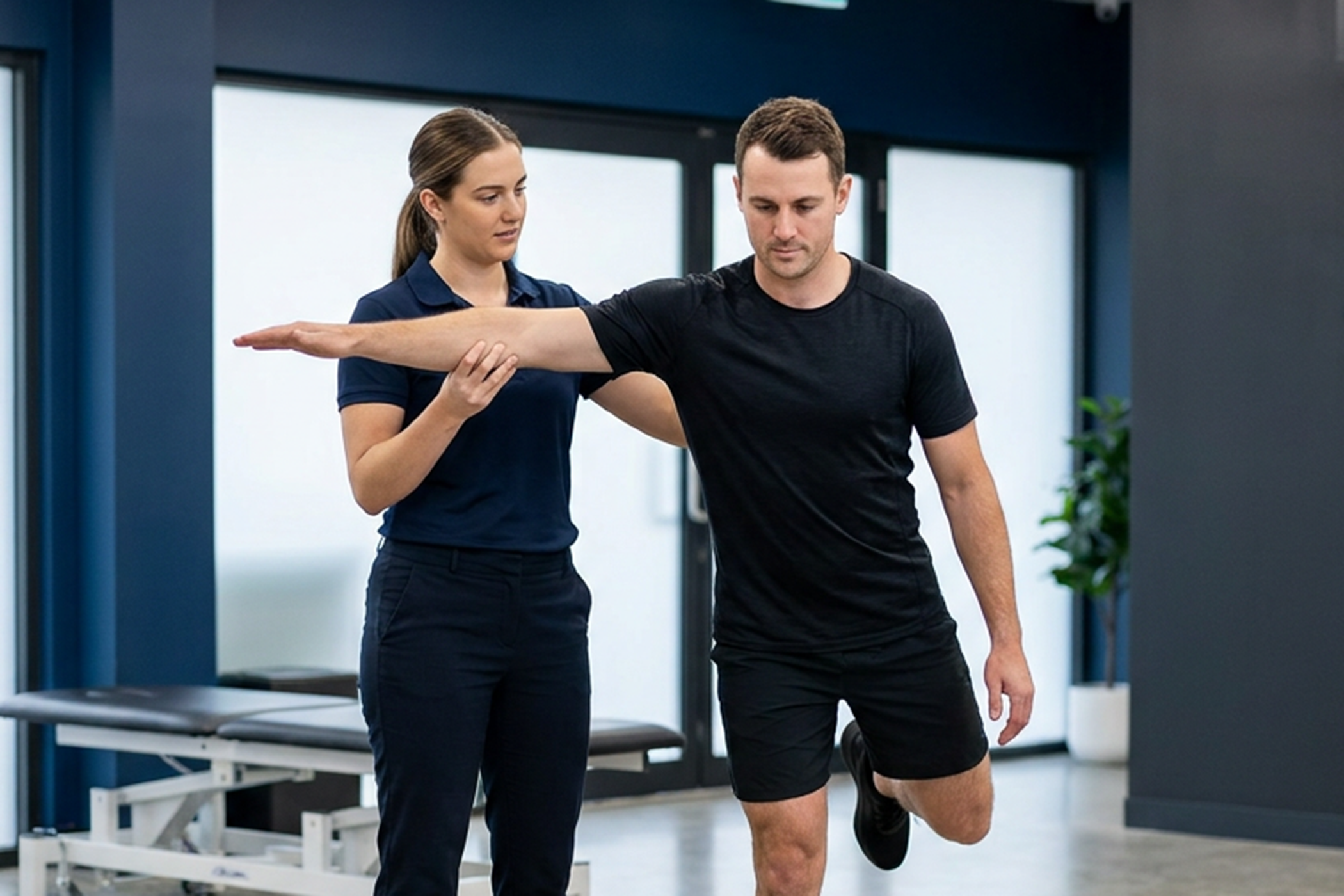
You're someone who takes performance seriously, whether that means grinding through workouts, chasing your kids around the park, or simply moving through life with energy and confidence. You prioritize recovery, seek smart guidance, and push yourself to stay active for the long term.
So when dizziness, unsteadiness, or that disorienting spinning sensation creeps in, it's easy to chalk it up to stress or aging and hope it passes.
Don't.
These symptoms are often the first signs of vestibular dysfunction — a disruption in the body's balance and spatial orientation system — and ignoring them can quietly sabotage your performance, your safety, and your quality of life.
The Hidden Risks of Untreated Balance Problems
Many active adults dismiss vestibular symptoms because they come and go. But untreated dizziness and balance disorders carry serious risks:
Increased fall risk — especially dangerous during high-intensity training, outdoor activities, or daily movement
Slower injury recovery — vestibular dysfunction interferes with proprioception, making rehab longer and harder
Chronic progression — the longer it goes unaddressed, the more entrenched the dysfunction becomes
Mental performance decline — persistent dizziness creates brain fog, anxiety, and reduced focus
Activity avoidance — fear of dizzy spells limits movement, reducing fitness and independence over time
For athletes, weekend warriors, and busy professionals, a single fall or a missed step due to poor vestibular balance can mean weeks on the sidelines. That's a price no active person should have to pay.
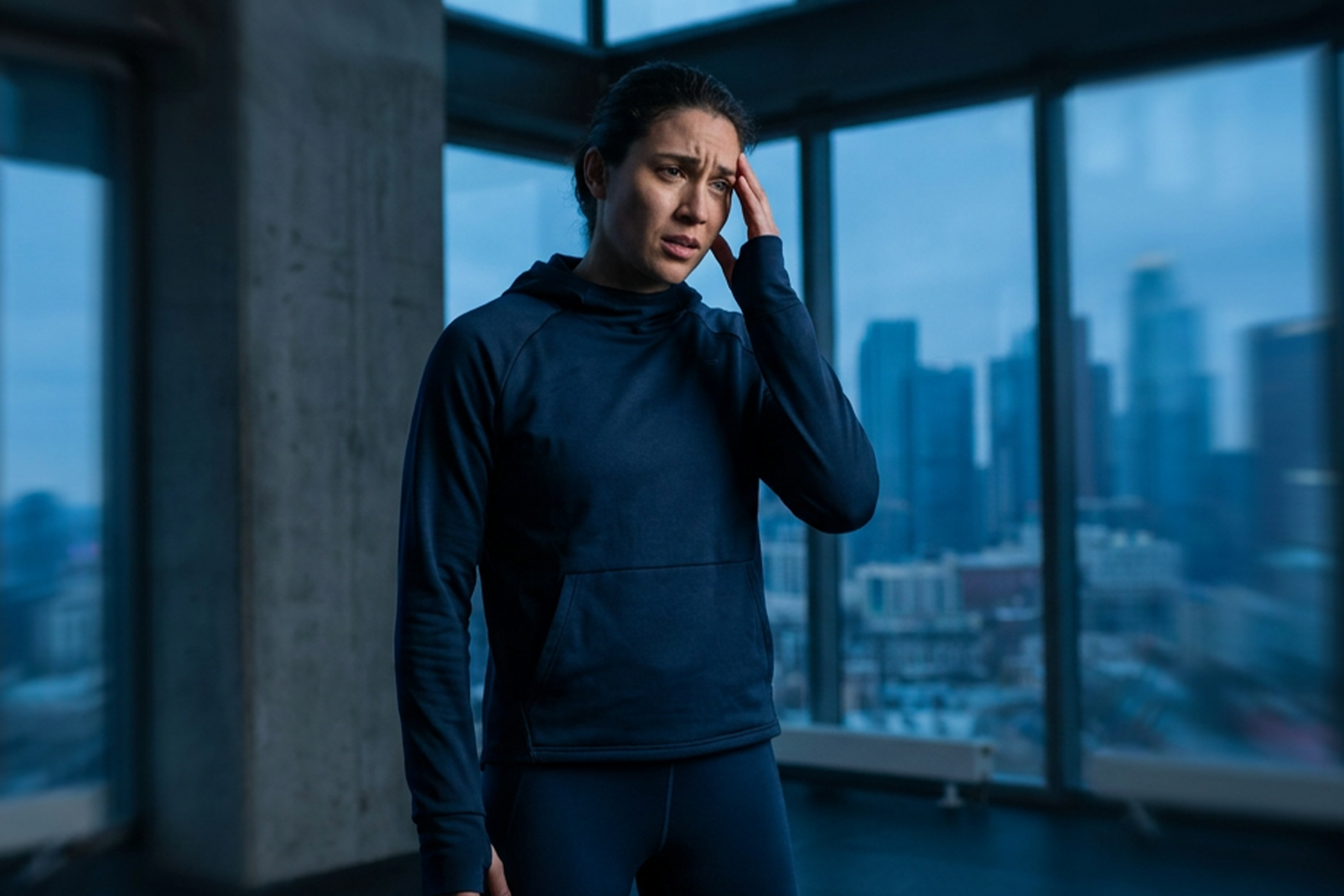
What Causes Vestibular Dysfunction in Active Adults?
The vestibular system — located in the inner ear — coordinates your sense of balance, spatial awareness, and eye-head movement. It can be disrupted by:
Benign Paroxysmal Positional Vertigo (BPPV) — the most common cause of positional dizziness
Concussion and head trauma — very common in contact sports and falls
Cervicogenic dizziness — originating from neck tension or injury
Labyrinthitis or vestibular neuritis — inner ear inflammation
Post-COVID vestibular symptoms — increasingly recognized in active populations
Chronic stress and poor sleep — both aggravate vestibular sensitivity
If you've ever felt off-balance during a workout, dizzy when changing positions quickly, or unsteady in crowded spaces, there's a good chance your vestibular system needs attention.
Vestibular Rehabilitation: The Evidence-Based Solution
Vestibular rehabilitation therapy (VRT) is one of the most effective, research-backed interventions for dizziness and balance disorders. It works by retraining the brain and body to compensate for vestibular dysfunction through progressive, targeted exercises.
At Cristini Athletics Therapy, our physiotherapists design fully individualized vestibular rehab programs that address your specific symptoms and performance goals.
What a Vestibular Physiotherapy Program Includes
Comprehensive vestibular assessment — identify the root cause before treating anything
Canalith repositioning maneuvers — for BPPV, often producing rapid symptom relief
Gaze stabilization exercises — retrain the vestibulo-ocular reflex for clear vision during movement
Balance and postural control training — progressive challenges to rebuild stability and coordination
Dynamic movement drills — functional exercises that mirror your actual sport or daily activities
Concussion rehabilitation protocols — specialized for return-to-sport timelines
Home exercise programs — so progress continues between clinic visits
Why Registered Massage Therapy Accelerates Recovery
Muscle tension — particularly in the cervical spine (neck) and upper back — is a major but overlooked contributor to vestibular symptoms. Tight suboccipital muscles and restricted cervical mobility can directly trigger or amplify dizziness.
Our Registered Massage Therapists (RMTs) provide hands-on soft tissue therapy that:
Releases cervical and upper trapezius tension
Improves blood flow to the vestibular and nervous system
Reduces referred pain and headaches that accompany dizziness
Complements physiotherapy exercises for faster, more complete recovery
This integrated physiotherapy and massage therapy approach is what sets Cristini Athletics Therapy apart.
Practical Results You'll Experience
When you commit to vestibular rehabilitation, here's what you can expect:
✅ Reduced dizziness and vertigo episodes — often within the first 2–4 weeks ✅ Improved balance and coordination during workouts and sport ✅ Faster return to training after concussion or injury ✅ Greater confidence in movement — no more hesitating on uneven surfaces ✅ Clearer head and sharper focus — better brain-body connection ✅ Long-term fall prevention — a crucial investment for active longevity

Don't Let Dizziness Define Your Limits
Dizziness and balance problems aren't just inconvenient — they're warning signs your body is sending you. Taking action early means a faster recovery, fewer setbacks, and a longer, more active life.
The team at Cristini Athletics Therapy in Vaughan (Woodbridge) and Markham is ready to assess, treat, and guide you every step of the way.
Book your vestibular assessment in Woodbridge today — get 1:1 time with a physiotherapist, practical strategies for daily life and training, and a clear, progressive plan.
Article Takeaways
Vestibular symptoms can quietly change how you move, train, and live — and waiting often makes the dysfunction harder to unwind. A proper vestibular assessment identifies what's driving the dizziness, then builds a progression that restores balance, confidence, and performance without guessing.
Cristini Athletics Therapy is the right place to start because you'll get:
1:1 time with a registered physiotherapist
Practical strategies you can apply immediately in training and daily life
A clear, individualized progression — not generic protocols
📍 Woodbridge location — book through our link.
About the Author
Bennette Paul D. Campano, PTRP, CPT-CES is a physiotherapist registered in the Philippines (PTRP) and currently working in Canada as a personal trainer and Corrective Exercise Specialist (ISSA). He specializes in bridging rehabilitation to performance — helping people go from post-op recovery or persistent pain back to confident training, work, and sport.
Benno is passionate about helping clients move better, recover smarter, and reach their goals with a plan that is practical, progressive, and truly individualized.