Stuck In Band Work? That’s Why You’re Not Improving
Author: Bennette Paul D. Campano, PTRP, CPT-CES
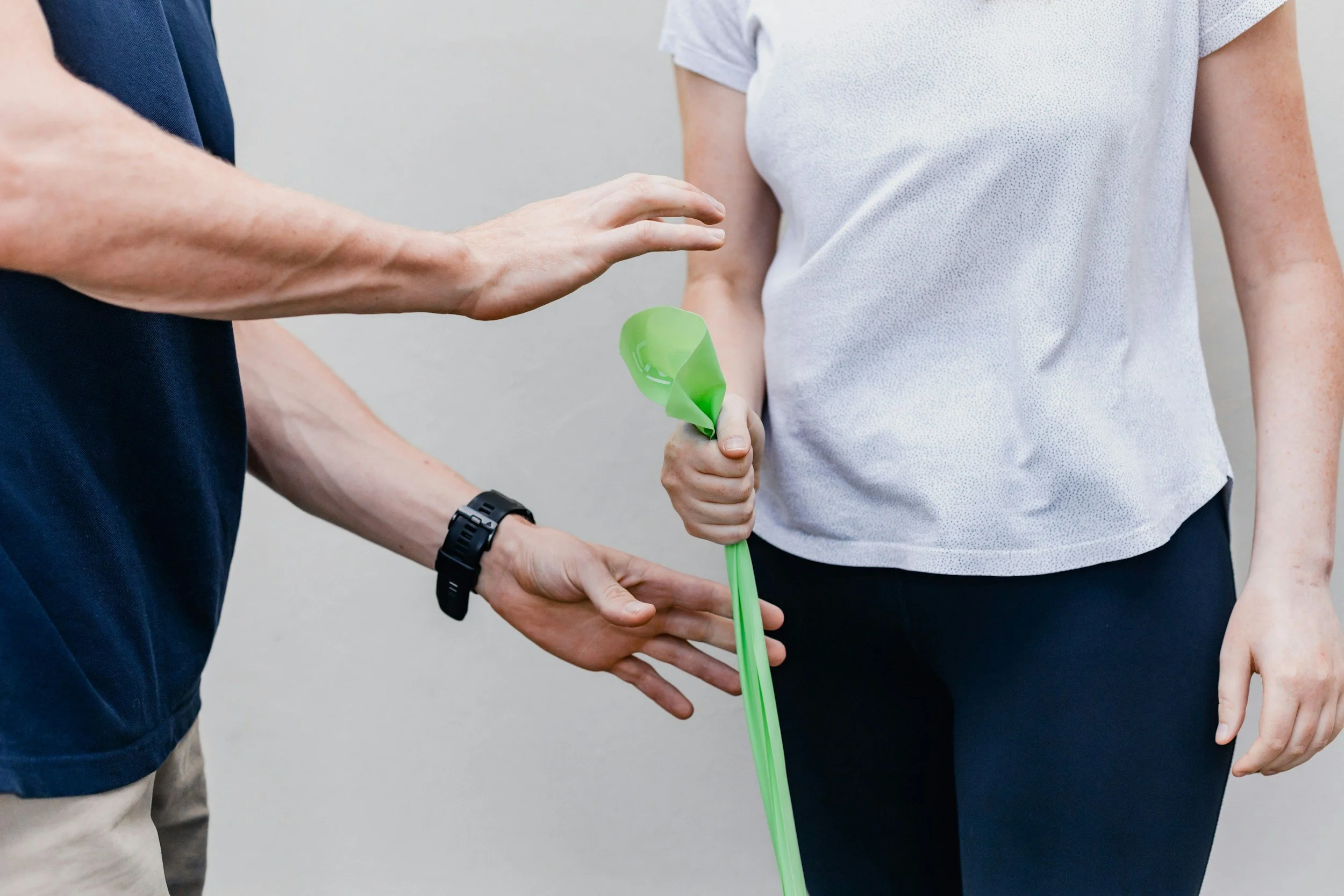
The Frustration
You’re showing up. You’re doing the band routine your clinic gave you. You’re being consistent and yet weeks go by and you still feel like the same athlete: a little stiff, a little hesitant, and not meaningfully stronger.
That “stuck” feeling is common in the middle phase of rehab. Pain is quieter, swelling is down, and you can move again, but you’re not building the physical qualities that actually change performance.
What’s Missing (And Why Bands Stop Working)
Bands can be a useful entry point in early rehab. They’re portable, low-threat, and they help you practice movement without needing a full gym setup.
The problem is when bands become the whole plan.
A big limitation is how band resistance behaves: tension increases as the band stretches, which often means the hardest part of the rep happens near the end range when the muscle is more shortened. In sport, you often need strength and control when tissues are lengthened and absorbing force, think deceleration, landing, and cutting. That mismatch is one reason athletes can “feel” band work without getting the kind of strength that transfers.
Another issue is progression. Many band protocols turn into high-rep volume with the same resistance week after week. That’s not training, it’s maintenance.
What I See in Athletes
This is the athlete who isn’t technically injured anymore, but also isn’t improving:
They can do rehab drills in a quiet room, but they don’t trust the leg at speed.
They can balance, but they can’t absorb force repeatedly.
They can “activate” muscles, but they can’t express strength when it counts.
What Better Rehab Looks Like
Most modern return-to-sport models progress like performance training:
Strength → Power → Speed/Agility → Sport Exposure
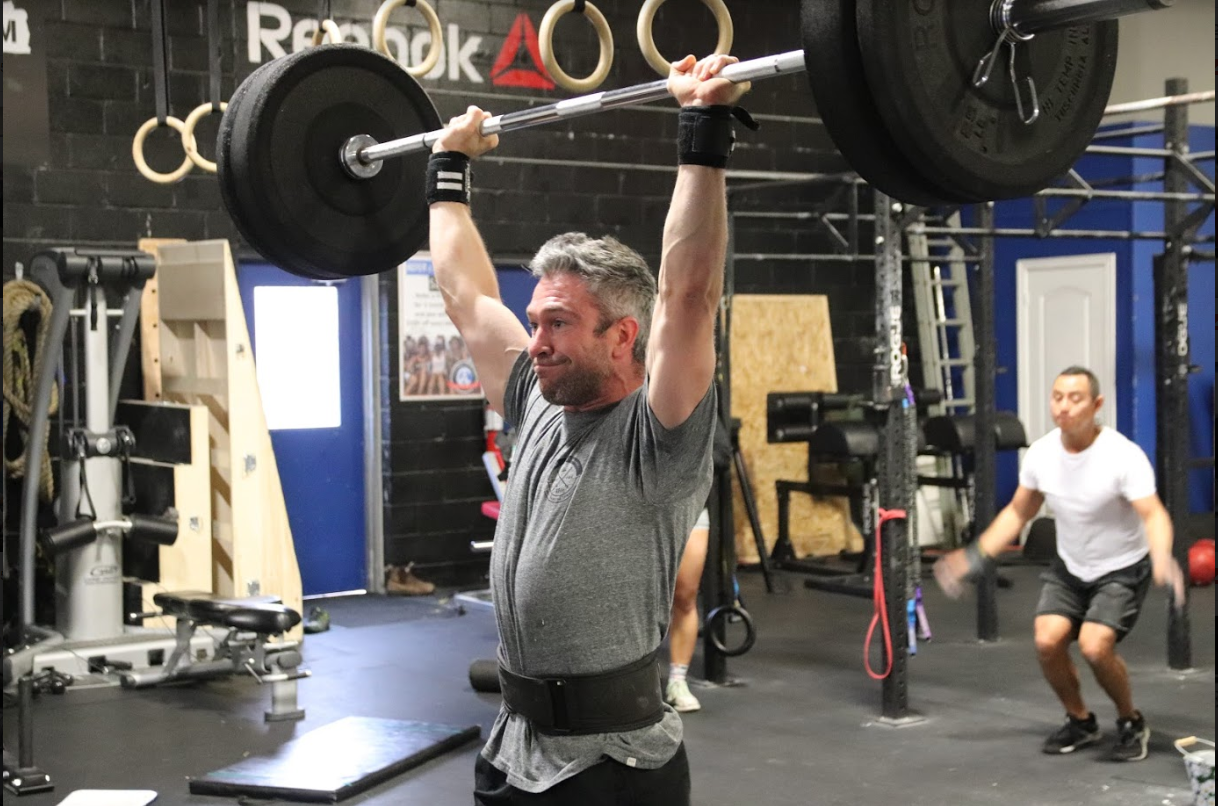
Band work is a wonderful tool to have in your toolkit for specific circumstances, but it shouldn’t be the only tool; its not as sport-specific or power/strength-centric as, say, a heavy overhead lift, as demonstrated:
That doesn’t mean you skip the basics. It means you graduate from them.
A practical example:
You start with controlled strength work (split squats, RDL patterns, loaded calf raises).
You build capacity and tissue tolerance.
Then you earn the right to add power (jumps, trap bar jump variations, med ball throws depending on the injury and sport).
Then you layer in speed, cutting, and reactive drills.
Key Takeaways
Band work can be a helpful early step, but it’s rarely enough to rebuild the strength and force-absorption you need for sport. If your rehab looks the same every week, same exercises, same band tension, same reps, it’s a sign you’re not progressing. The goal is to move from low-threat movement to measurable strength, then to power and sport-specific speed.
If you want a clearer “what’s my limiting factor?” answer, and a plan that progresses beyond band work, a Physiotherapy Assessment can help you identify whether you’re missing mobility, strength, tendon tolerance, power, or change-of-direction control. Cristini Athletics Therapy is a good place to start because you’ll get 1:1 guidance, practical progressions, and training modifications that keep you moving forward.
About the Author
Benno is a physiotherapist registered in the Philippines (PTRP) and is now working in Canada as a trainer and Corrective Exercise Specialist (ISSA). He specializes in bridging people from post-operation rehab to return to play and optimizing performance, helping people go from post-op or persistent pain back to confident training, work, and sport. He’s passionate about helping clients move better, recover smarter, and reach their goals with a plan that’s practical, progressive, and individualized.