The Role of the Serratus Anterior in Pain-Free Shoulder Movement
Author: Bennette Paul D. Campano, PTRP, CPT-CES

If your shoulder keeps pinching overhead, your neck and traps always feel tight, and your shoulder blade feels like it doesn’t move smoothly, there’s a muscle you probably haven’t thought about.
The serratus anterior.
This muscle is one of the biggest reasons some people can press overhead for years pain-free, while others feel like their shoulder is constantly on the verge of injury.
What the Serratus Anterior Does
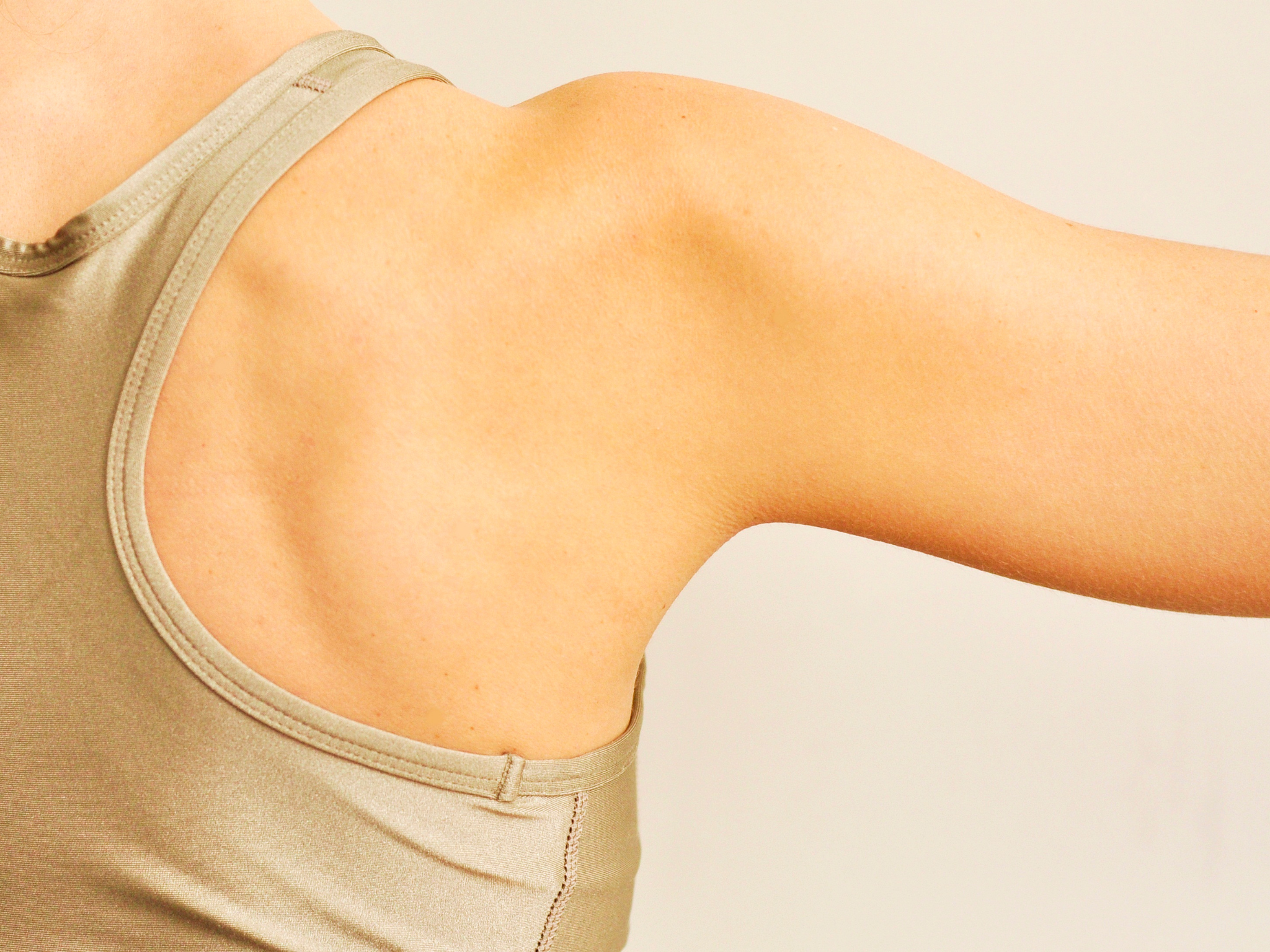
The serratus helps:
Rotate the scapula upward as you reach overhead
Keep the shoulder blade flat against the ribcage
Prevent excessive shrugging and neck dominance
Create a stable base so the rotator cuff isn’t forced to do everything
When serratus function is poor, your scapula often loses its smooth upward rotation. Your shoulder joint can feel jammed, and the rotator cuff gets overloaded trying to stabilize a bad position.
Signs Your Serratus Might Be Underperforming

You might notice:
Shoulder blade winging or popping
Neck tension during pressing and pulling
A pinch at the top/front of the shoulder overhead
Weakness or shakiness in overhead positions
Why This Becomes a Bigger Problem Over Time
If your serratus isn’t doing its job, your upper traps often take over. That can create a cycle of:
More shrugging
More neck tightness
Worse scapular mechanics
More rotator cuff irritation
It’s not just annoying, it can slowly reduce your shoulder’s tolerance.
How Physiotherapy Can Help at Cristini Athletics Therapy
At Cristini Athletics Therapy, we assess scapular mechanics and teach serratus control in a way that transfers to real movement.
We progress exercises from basic control to loaded patterns that match your training and daily demands, so you’re not stuck doing the same light drills forever.
Article takeaways
The serratus anterior is a key driver of smooth, pain-free overhead movement because it helps the scapula rotate upward and stay stable on the ribcage. When it’s weak or poorly coordinated, the shoulder often shrugs, the neck takes over, and the rotator cuff gets overloaded in a jammed position. Rebuilding serratus control and progressing it into loaded training is often the missing link for overhead pinching and recurring shoulder irritation, you can book in Woodbridge:
Benno is a physiotherapist registered in the Philippines (PTRP) and is now working in Canada as a trainer and Corrective Exercise Specialist (ISSA). He specializes in bridging rehab to performance, helping people go from post-op or persistent pain back to confident training, work, and sport. He’s passionate about helping clients move better, recover smarter, and reach their goals with a plan that’s practical, progressive, and individualized.