Author: Bennette Paul D. Campano, PTRP, CPT-CES
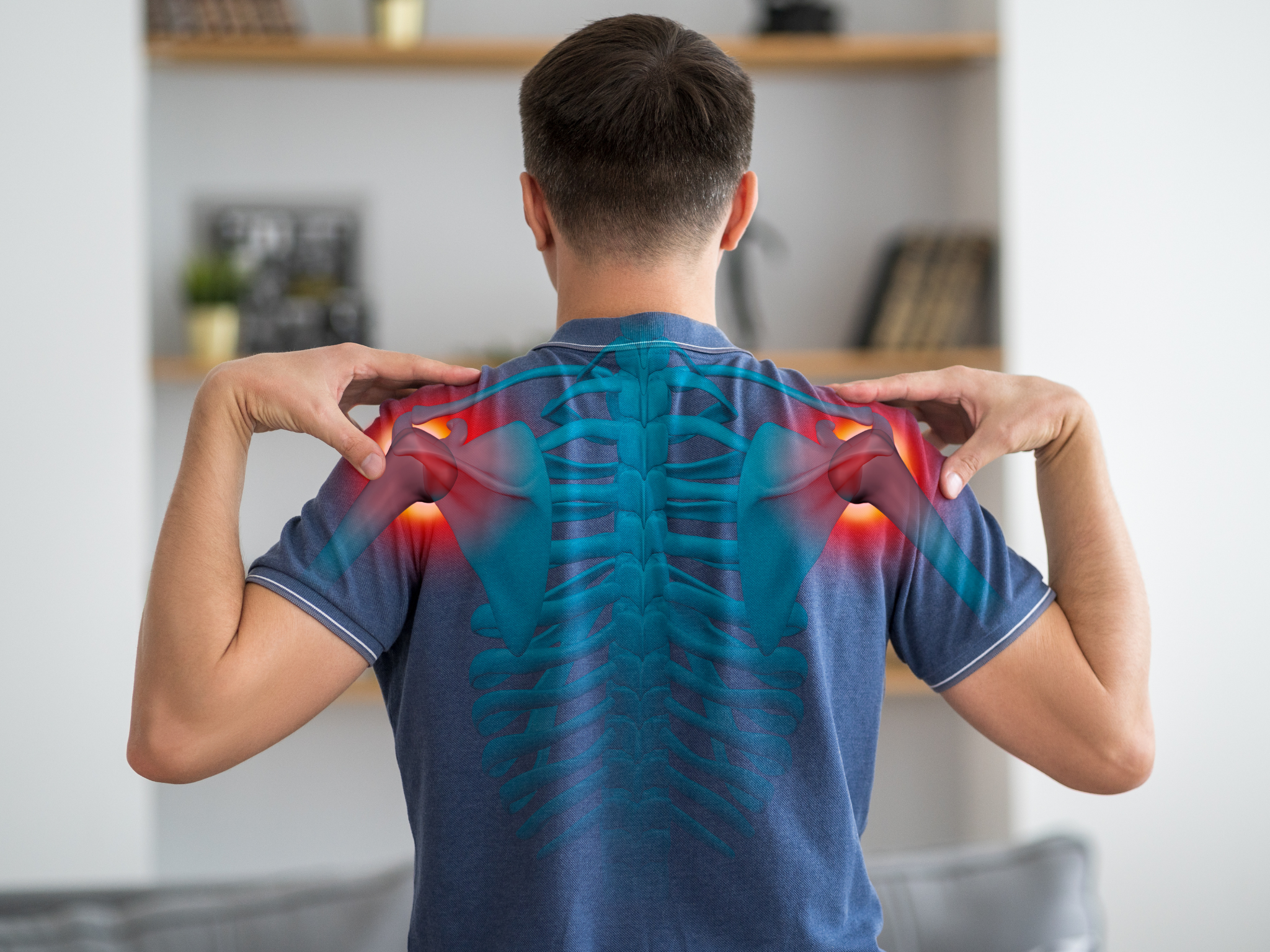
If your shoulder feels like it's slipping, catching, or not quite solid, that's not something to ignore.
A lot of people assume shoulder pain is always a rotator cuff issue. But when the problem is instability, the conversation changes. Instability can quietly turn normal training and daily life into a cycle of flare-ups, because the shoulder never feels fully centered.
One possible contributor is the labrum.
What the Labrum Does (Simple Explanation)
The shoulder socket is shallow. The labrum is a ring of cartilage that helps deepen the socket and improve stability.
When the labrum is irritated or injured, you might feel:
Catching, clunking, or a deep click inside the joint
A sense of looseness or slipping
Pain with overhead or behind-the-head positions
Pain with throwing, kipping, or fast changes of direction
Not every click is a labral injury, but instability symptoms deserve attention.
How Instability Becomes a Bigger Problem

Here's the scary part, when your shoulder feels unstable, your body starts guarding.
That can lead to:
Rotator cuff overload, because the cuff tries to stabilize everything
Neck and trap dominance, because you brace instead of moving well
Reduced performance, because you don't trust the joint
More irritation over time, because mechanics get worse under fatigue
What Helps (Even If You Don't Know the Exact Diagnosis Yet)
Most stability-focused plans include:
Scapular control and serratus training
Rotator cuff strength and endurance, progressed beyond light bands
Controlled overhead and pressing progressions
Load management, so you stop feeding irritation
How Physiotherapy Can Help at Cristini Athletics Therapy
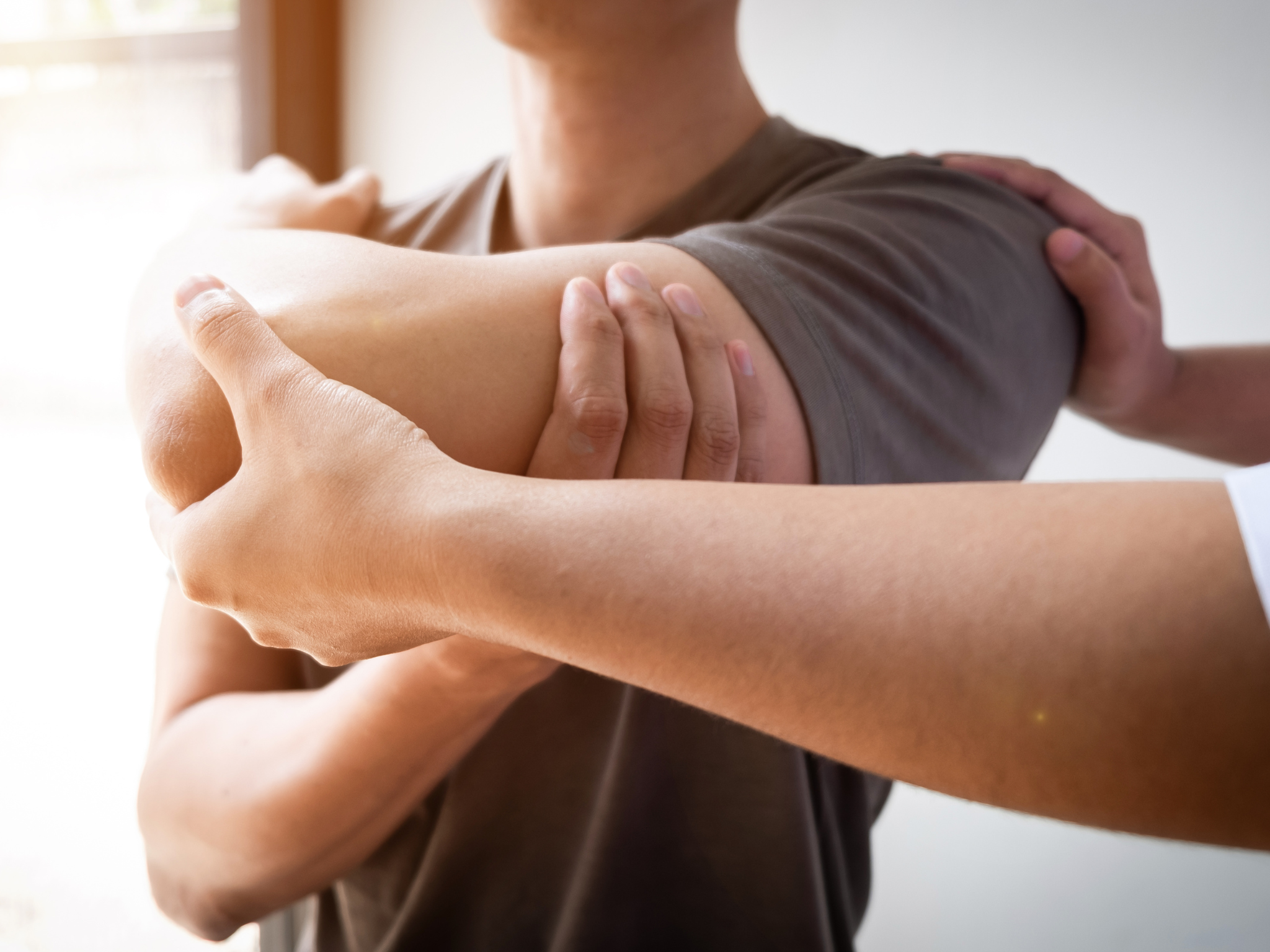
At Cristini Athletics Therapy, we assess your symptoms, movement patterns, and stability under load.
Then we build a plan that improves control and confidence in the shoulder, whether you're returning to lifting, sport, or just trying to stop the joint from feeling unpredictable.
Article takeaways
When shoulder pain comes with catching, clunking, slipping, or a sense of looseness, the issue may be more about instability than simple tightness. Instability often leads to rotator cuff overload and worsening mechanics because your body starts guarding and compensating. A physiotherapy plan that rebuilds scapular control, serratus function, and progressive rotator cuff capacity can restore stability and confidence before the problem becomes chronic, you can book in Woodbridge:
Benno is a physiotherapist registered in the Philippines (PTRP) and is now working in Canada as a trainer and Corrective Exercise Specialist (ISSA). He specializes in bridging rehab to performance, helping people go from post-op or persistent pain back to confident training, work, and sport. He's passionate about helping clients move better, recover smarter, and reach their goals with a plan that's practical, progressive, and individualized.