Author: Bennette Paul D. Campano, PTRP, CPT-CES
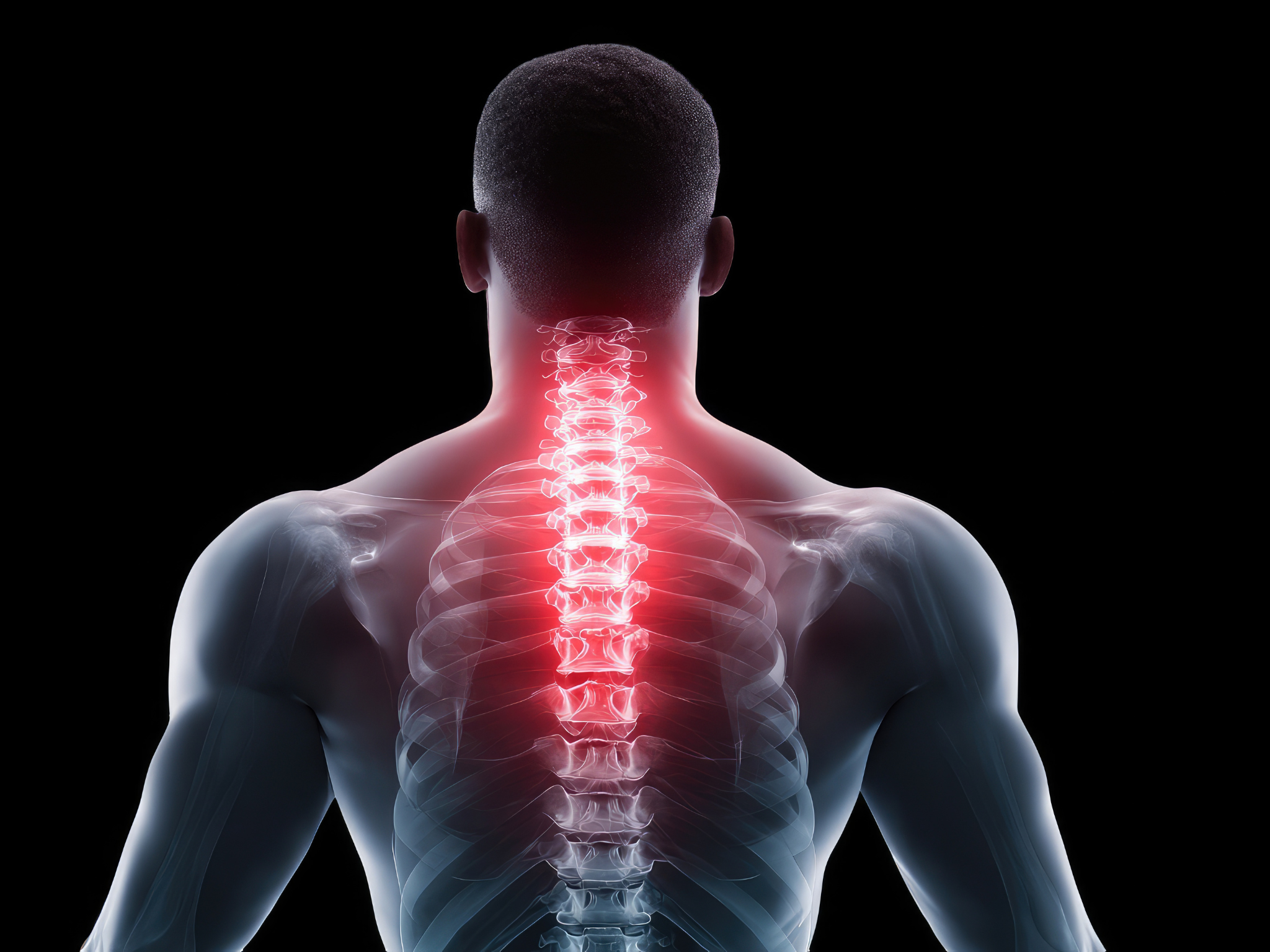
If your shoulder keeps getting irritated, but you're doing all the right shoulder exercises, there's a good chance you're missing the real problem. Sometimes the shoulder isn't the issue, it's the upper back.
Your thoracic spine, the mid and upper back, is supposed to extend and rotate so your shoulder can move overhead without getting jammed. When it gets stiff from desk posture, driving, and training that never challenges extension, your shoulder has to steal motion. And the shoulder is not built to steal motion forever.
What Thoracic Mobility Has to Do With Shoulder Pain
When your upper back can't extend well, your ribcage stays down and forward. That changes how your shoulder blade sits on your ribcage.
Instead of rotating upward smoothly as you reach or press overhead, the scapula often tips forward or shrugs. That can increase stress on the front and top of the shoulder, and it can overload the rotator cuff.
This is why people can feel:
A pinch when reaching overhead
A painful arc during pressing
Neck and trap tension during workouts
Clicking and instability with overhead movements
The Problem With Only Treating the Shoulder
If you only stretch the shoulder or do rotator cuff band work, you might get temporary relief. But if the upper back stays stiff, you're still forcing the shoulder to compensate.
That's how shoulder pain becomes a cycle, you feel better, you train harder, the irritation returns.
What Actually Helps

A better plan usually includes:
Restoring thoracic extension and rotation with targeted mobility work
Rebuilding scapular mechanics, so the shoulder blade can move on the ribcage
Strengthening the rotator cuff and upper back progressively
Adjusting training volume and overhead exposure while you rebuild tolerance
How Physiotherapy Can Help at Cristini Athletics Therapy
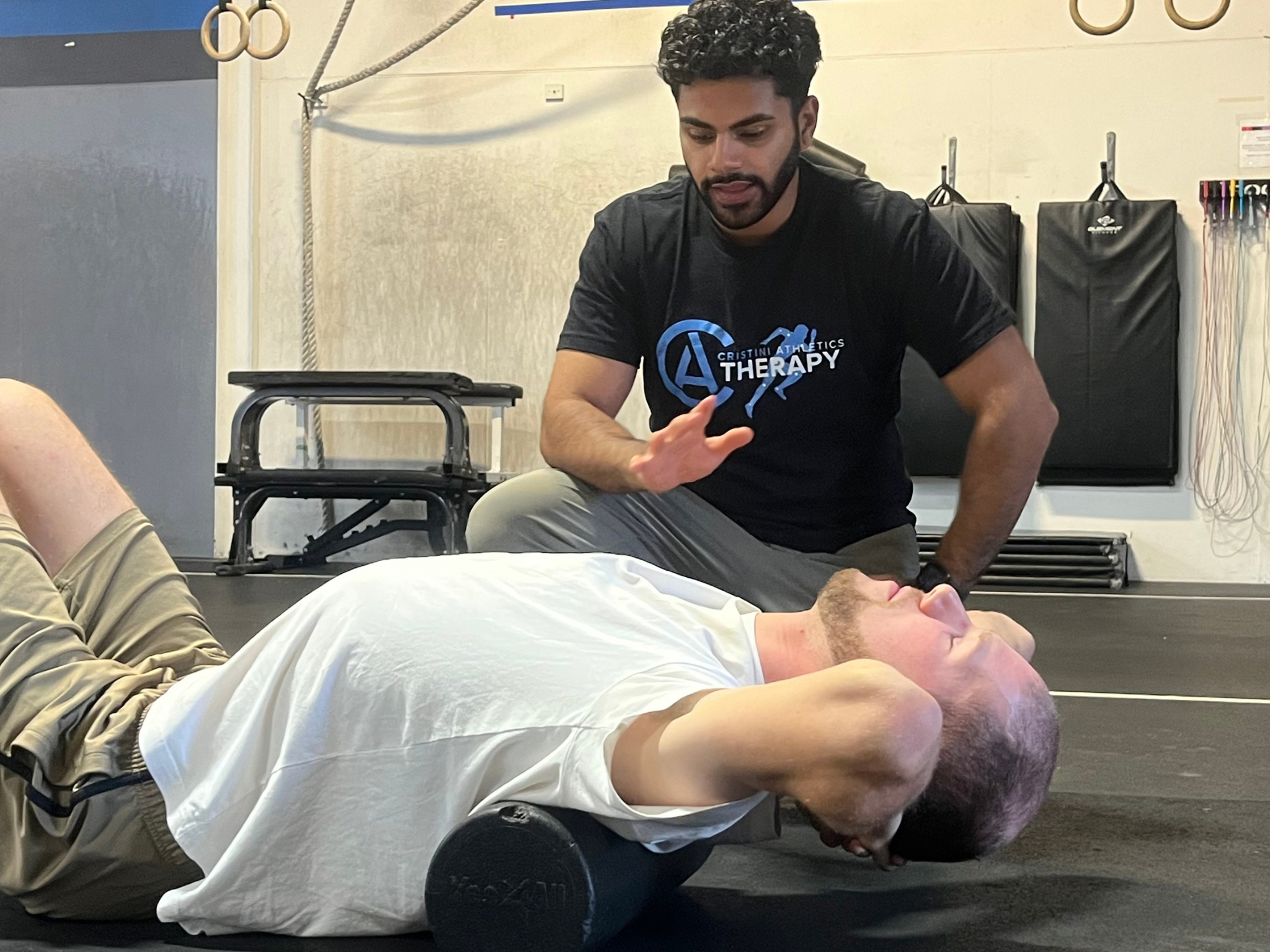
At Cristini Athletics Therapy, we don't just chase symptoms. We look at how your shoulder, scapula, and thoracic spine work together.
Then we build a progression that improves mobility where you need it, strengthens what's weak, and gets you back to overhead training without constantly flaring up.
Article takeaways
A stiff upper back can quietly force your shoulder to compensate, which increases pinching, clicking, and rotator cuff overload during overhead movement. If you only treat the shoulder, you may keep repeating the same cycle because the thoracic spine is still limiting your mechanics. Restoring thoracic mobility, rebuilding scapular control, and progressing shoulder strength together is often the missing piece, you can book in Woodbridge:
Benno is a physiotherapist registered in the Philippines (PTRP) and is now working in Canada as a trainer and Corrective Exercise Specialist (ISSA). He specializes in bridging rehab to performance, helping people go from post-op or persistent pain back to confident training, work, and sport. He's passionate about helping clients move better, recover smarter, and reach their goals with a plan that's practical, progressive, and individualized.