Author: Bennette Paul D. Campano, PTRP, CPT-CES
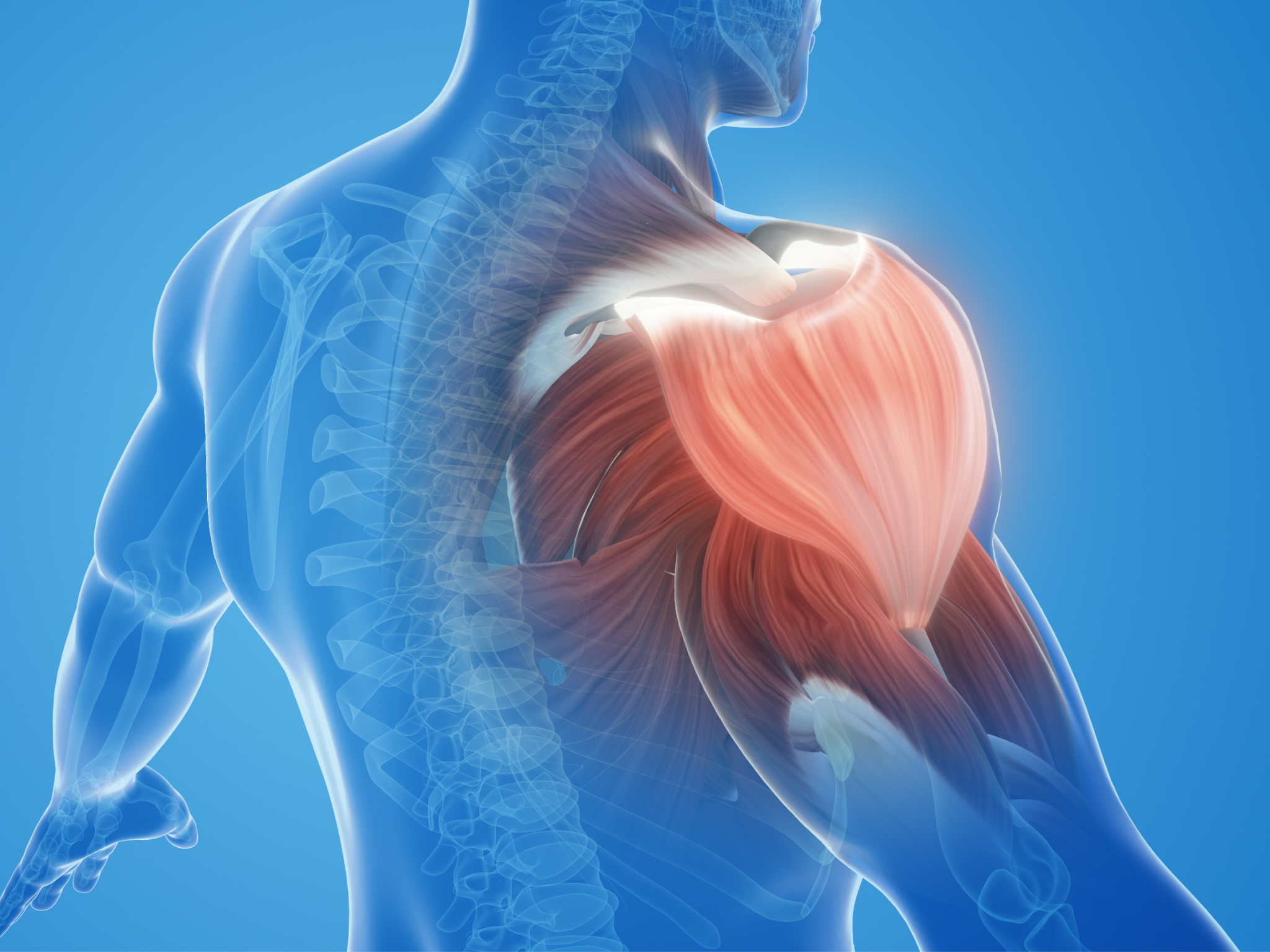
Frozen shoulders can feel like your body betrayed you.
One day your shoulder is a little stiff, then weeks later you can’t reach behind your back, can’t put on a jacket without pain, and can’t sleep comfortably. People often assume they “slept wrong” or strained something, but frozen shoulders are a different beast.
And the scary part is that if you ignore it early, it can lock in for months.
What Frozen Shoulder Actually Is

Frozen shoulder, also called adhesive capsulitis, is when the shoulder capsule becomes painful and stiff, and your range of motion gradually decreases.
It often shows up as:
Increasing stiffness over time
Pain at end ranges, especially reaching overhead or behind the back
Night pain that disrupts sleep
A hard limit in motion that stretching doesn’t quickly change
Why It Happens (And Why It’s Not Your Fault)
Frozen shoulder can happen after:
A period of reduced movement, injury, or surgery
A flare-up that makes you avoid using the arm
Long-term irritation that changes how you move
Some people are also more prone to it due to health factors, but even active people can get it.
The Biggest Mistake, Waiting It Out
People hear, “It will go away on its own.” Sometimes it does, but that can take a long time.
Waiting without a plan can mean:
Longer periods of stiffness
More loss of function
More compensation into the neck and upper back
More frustration and deconditioning
How to Recover Faster (The Smart Way)
The goal is to:
Control pain and irritation
Maintain and gradually restore range of motion
Strengthen what you can without flaring symptoms
Keep the rest of your body moving so you don’t spiral into deconditioning
The key is doing the right dose, too aggressive can flare it, too passive can stall it.
How Physiotherapy Can Help at Cristini Athletics Therapy
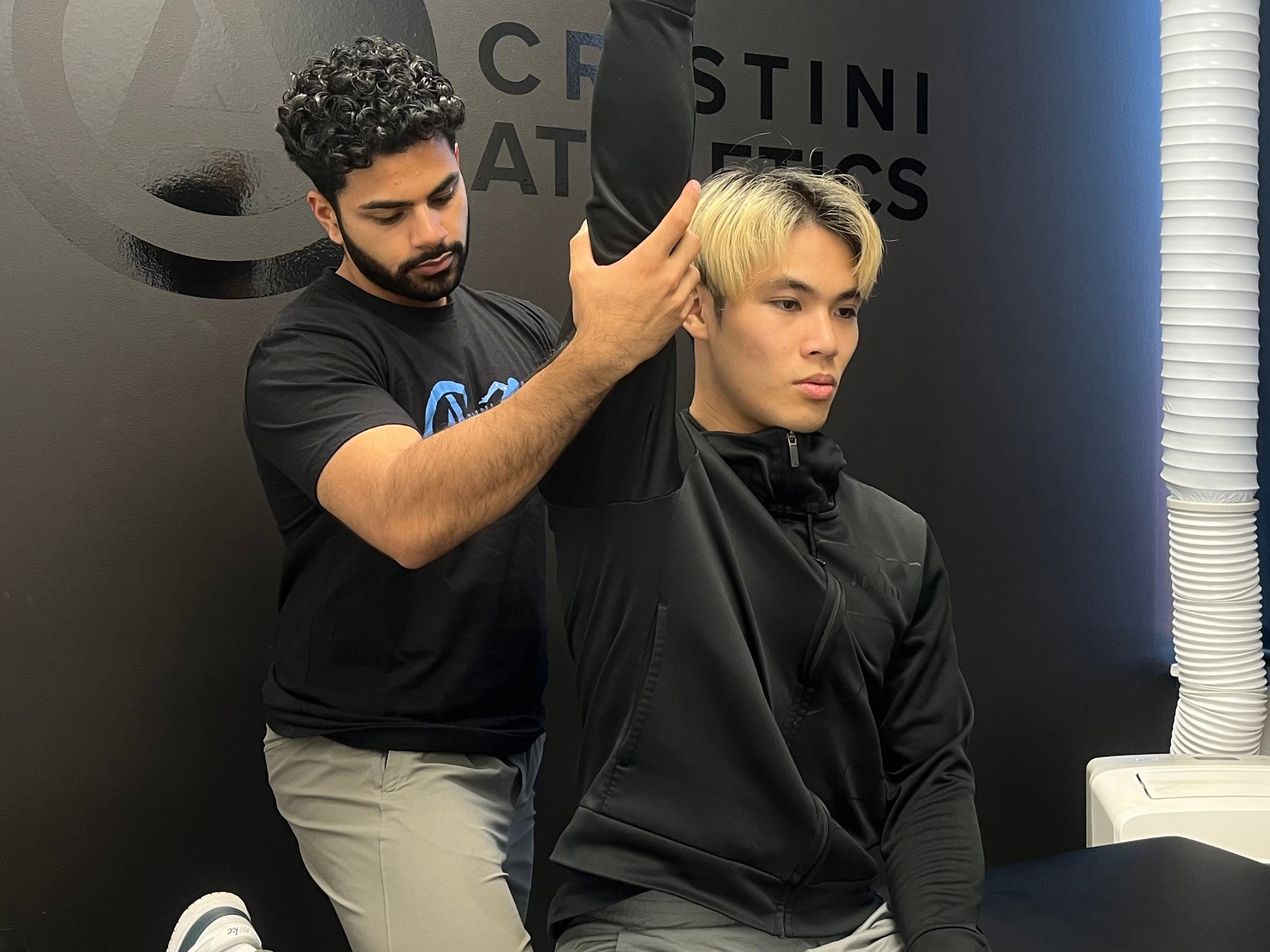
At Cristini Athletics Therapy, we help you understand what phase you’re in and what your shoulder can tolerate.
We guide you through a plan that balances mobility work, strength, and symptom management, so you can regain function without constantly re-irritating the shoulder.
Article takeaways
A frozen shoulder is not just “tightness,” it’s a painful stiffness that can progressively limit your ability to reach, dress, sleep, and train. Waiting it out without a plan can prolong the problem and increase compensation into the neck and upper back. A guided physiotherapy plan can help you manage pain, restore range in the right dose, and rebuild strength as motion returns, you can book in Woodbridge:
Benno is a physiotherapist registered in the Philippines (PTRP) and is now working in Canada as a trainer and Corrective Exercise Specialist (ISSA). He specializes in bridging rehab to performance, helping people go from post-op or persistent pain back to confident training, work, and sport. He’s passionate about helping clients move better, recover smarter, and reach their goals with a plan that’s practical, progressive, and individualized.