Ankle Dorsiflexion: The Hidden Limiter Behind Ankle Sprains, Flat Feet, and Knee Pain
Author: Bennette Paul D. Campano, PTRP, CPT-CES
If you’ve ever felt like you can’t get your knee over your toes, or your heel pops up early when you squat, you may be dealing with limited ankle dorsiflexion.
Dorsiflexion is the motion that lets your shin move forward over your foot. It matters for walking, stairs, squatting, running, landing, and cutting. When it’s limited, your body will still find a way to move, but the workaround often increases stress elsewhere.
Why Dorsiflexion Gets Limited After Sprains
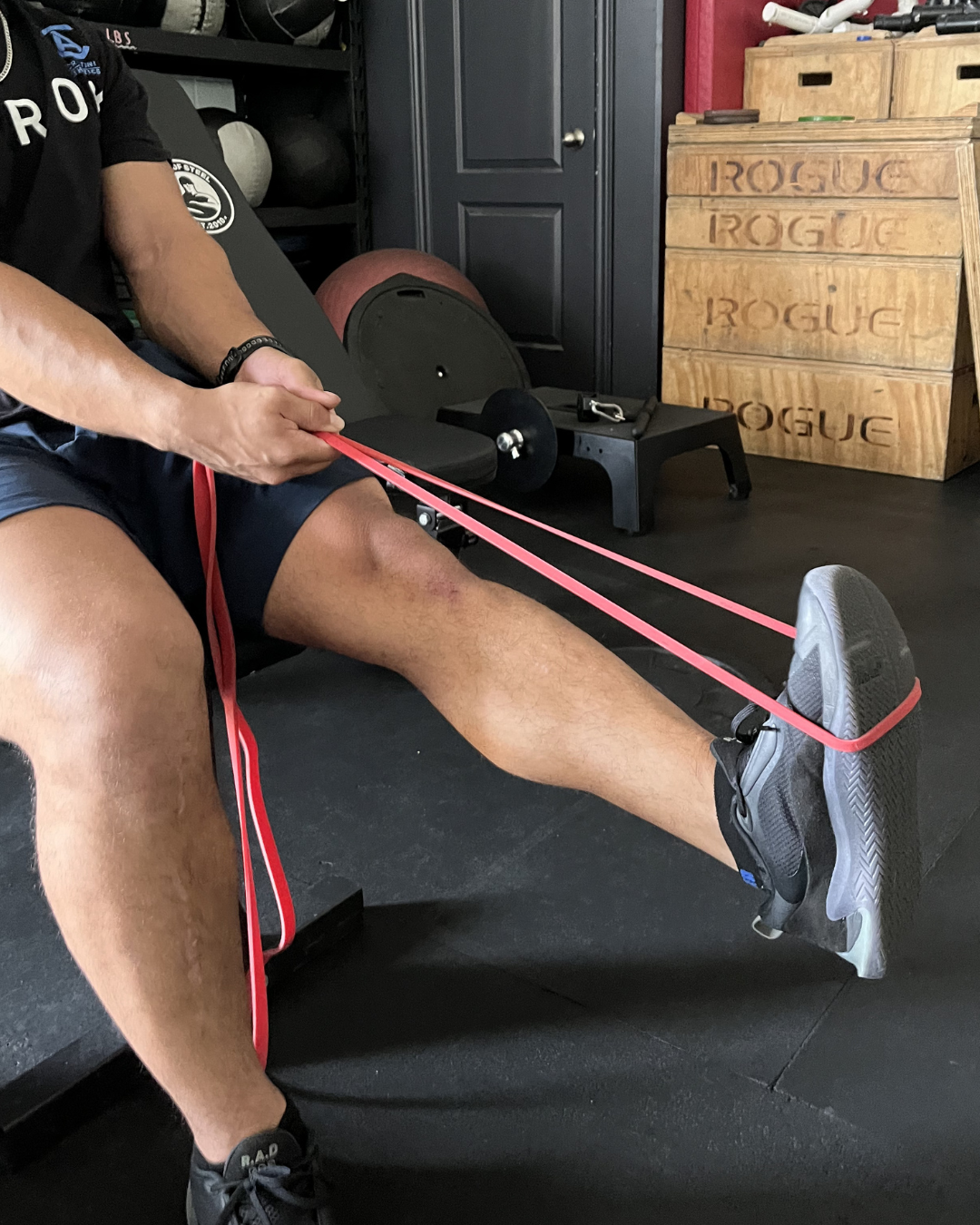
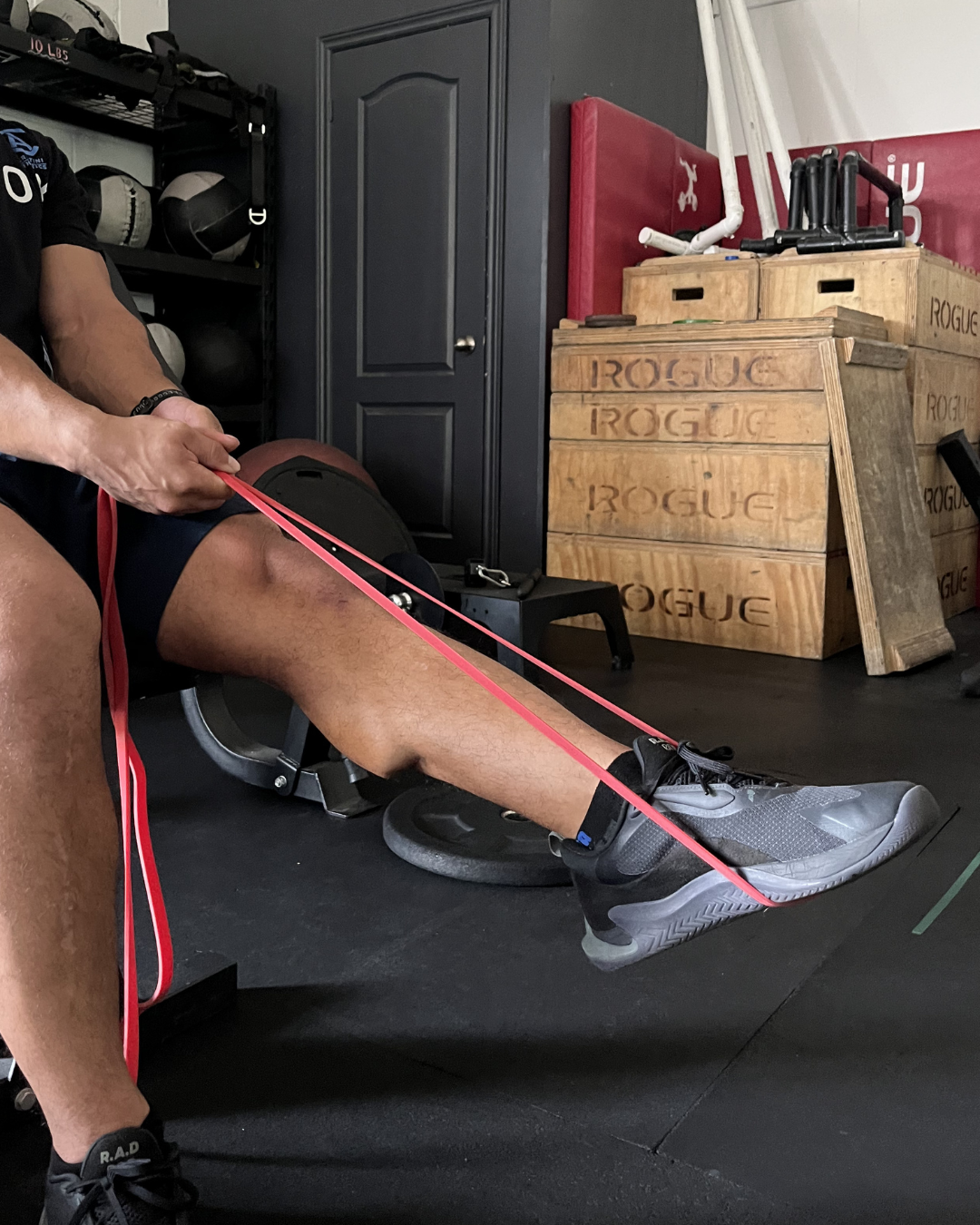
After an ankle sprain, it’s common to see lingering swelling that blocks motion, joint stiffness (especially at the ankle joint), protective guarding, reduced loading, and calf tightness. Even if pain is “fine,” the ankle may still be stiff; and stiffness changes everything.
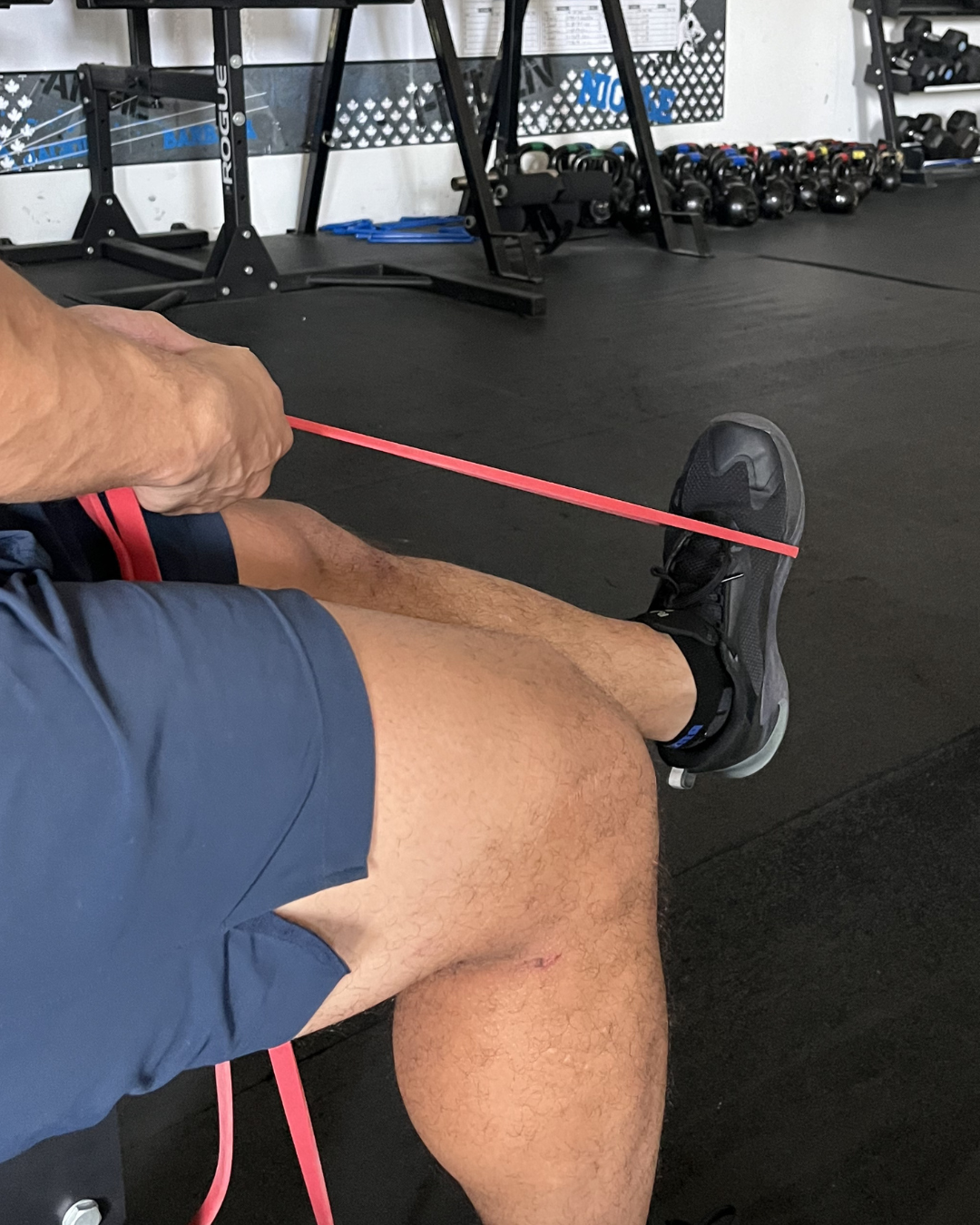
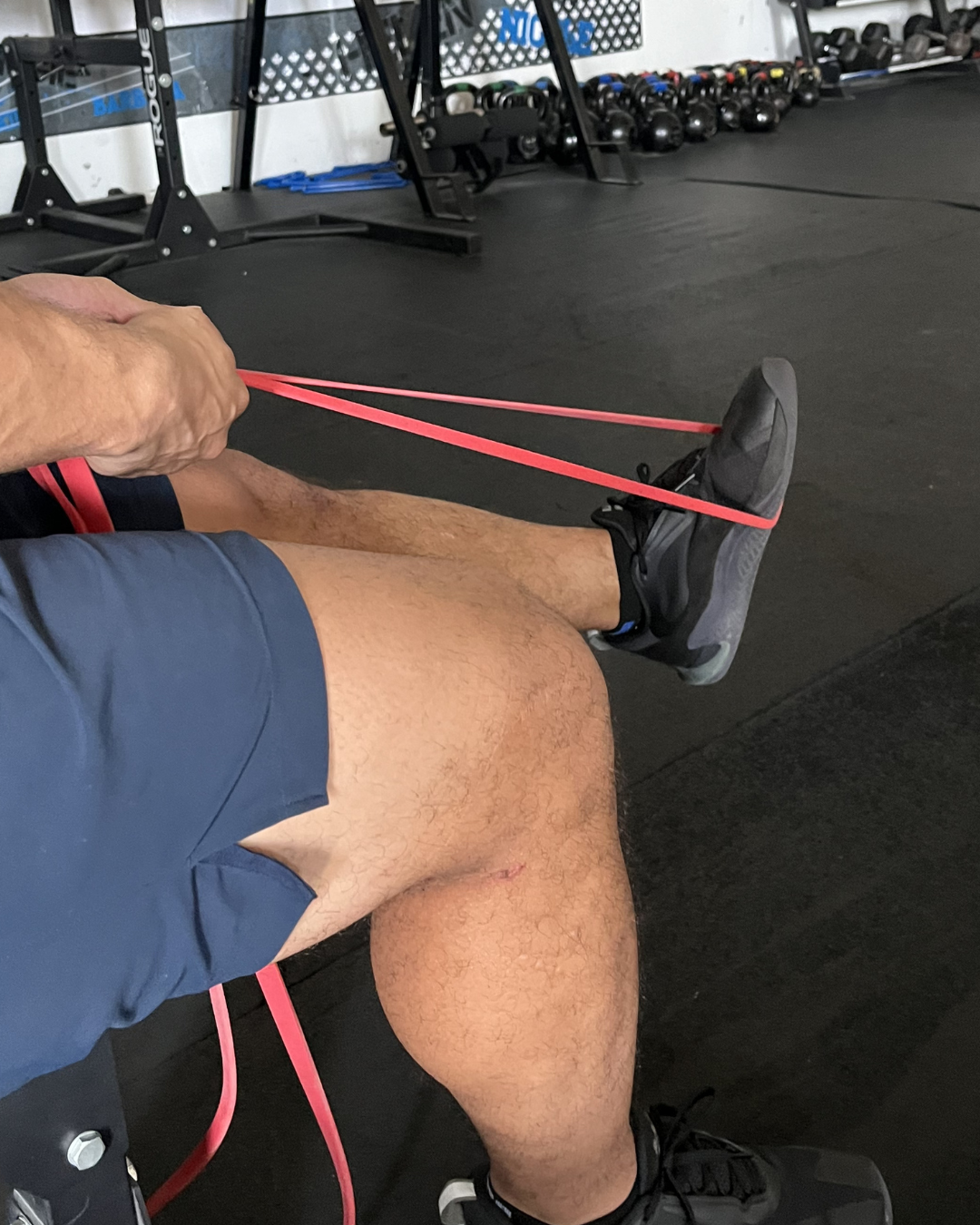
What Limited Dorsiflexion Can Cause
When dorsiflexion is limited, you’ll often see the foot collapsing inward (overpronation) to “borrow” motion, the knee caving in during squats or landings, early heel lift, and compensations at the hip and low back.
This is why dorsiflexion work shows up in plans for flat feet and fallen arches, posterior tibial tendon irritation, Achilles issues, and chronic ankle instability.
The Mistake: Stretching The Calf and Calling It A Day
Calf stretching can help, but dorsiflexion restriction isn’t always a “tight muscle” problem. Sometimes it’s joint mobility, sometimes it’s swelling, and sometimes it’s motor control.
If you only stretch, you may get temporary relief without changing the movement pattern.
A Better Approach
A more complete dorsiflexion plan often includes reducing irritation (if the ankle is still reactive), joint mobility work when appropriate, calf strength through range (not just flexibility), and retraining squat and step mechanics so the new range actually shows up in movement.
Key Takeaways
Dorsiflexion is a key motion for squats, stairs, running, and landing. After sprains, it often stays limited even when pain improves, and that limitation can contribute to overpronation, knee collapse, and recurring ankle sprains.
Stretching helps some people, but many need joint mobility plus strength and movement retraining. If you’re not sure what’s limiting your dorsiflexion (tight calf vs joint stiffness vs swelling vs control), a Physiotherapy Assessment could help you identify the real limiter and build a plan that carries over into training. Cristini Athletics Therapy is a good place to start because you’ll get a clear movement screen, hands-on assessment when needed, and practical modifications you can use immediately, you can book in woodbridge by clicking here.
About Benno
Benno is a physiotherapist registered in the Philippines (PTRP) and is now working in Canada as a trainer and Corrective Exercise Specialist (ISSA). He specializes in bridging rehab to performance, helping people go from post-op or persistent pain back to confident training, work, and sport. He’s passionate about helping clients move better, recover smarter, and reach their goals with a plan that’s practical, progressive, and individualized.